Melissa officinalis.
Lemon balm tea (leaves)
Available at teetopfTea tradefrom Limbach-Oberfrohna in Saxony
Buy directlywith the partner, without detours
Independentno pharmaceutical company
Was die Tradition über die Melisse erzählt
Das Bienenkraut
Ihr Name kommt vom griechischen Wort für Biene. Imker rieben früher ihre Bienenstöcke mit den duftenden Blättern ein, damit das Volk nicht ausschwärmt.
Im Klostergarten
Über die Araber kam sie nach Spanien, und um 800 ließ Karl der Große sie auf seinen Gütern anbauen. Bald wuchs sie in vielen Klostergärten.
The ritual
Frische Blätter mit Zitronenduft geben Bowle, Obstsalat und Limonade ihre Frische. Am Abend wird sie gern als warmer Tee aufgegossen.
The profile in the Botanical Archive: benefits, ingredients, home remedies, Ayurveda & TCM and all sources.
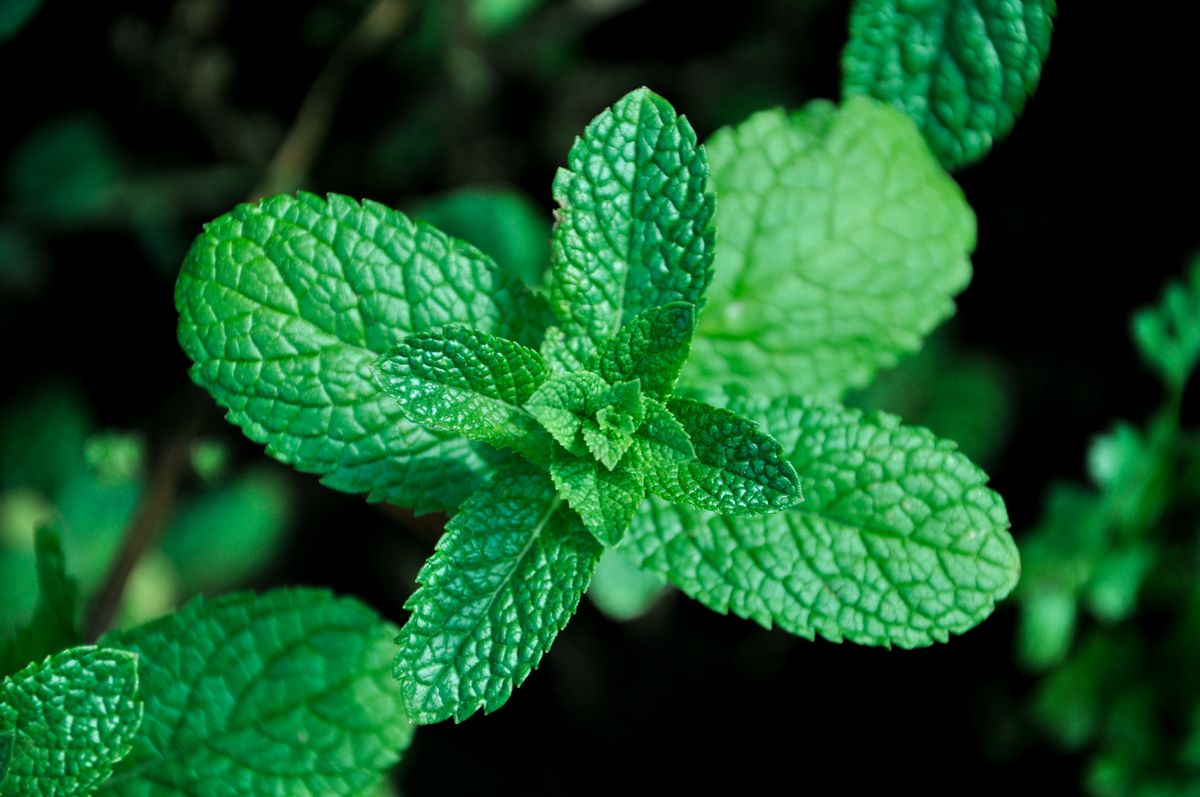
Wofür die Volksheilkunde die Melisse nutzte: im Botanical Archiv →Lemon balm, cut, with the typical lemony aroma.
At a glance
- Plant: Melissa officinalis (lemon balm), a member of the mint family
- Part used: the leaves, cut
- Origin: Originally from the eastern Mediterranean, now also cultivated in Central Europe
- Quality feature: An intense lemon scent when rubbing the leaves is a good sign of freshness.
- Tradition: Known since antiquity as "bee herb", the genus name Melissa comes from the Greek word for bee, an integral part of monastery gardens in the Middle Ages
Traditional: Melissenblätter sind in der Volksheilkunde seit Jahrhunderten der Tee für den Abend, in Klostergärten standen sie gleich neben dem Bienenstock, daher der Name.
Folk medicine, tradition, research
Wofür Klostergärten die Melisse seit dem Mittelalter pflanzten, was ihr ätherisches Öl ausmacht und was Studien dazu zeigen.
What's inside
Essential oil, including citral and citronellal, responsible for the lemon scent, plus tannins such as rosmarinic acid and flavonoids.
How it is prepared
Pour 150 ml of boiling water over 1 to 2 teaspoons of dried leaves, cover, and let steep for 5 to 10 minutes. Since the essential oil is volatile, keep the container covered during steeping.
Good to know
- If you have thyroid disease, especially hyperthyroidism, consult your doctor before regularly consuming larger quantities.
- Lemon balm tea is safe to drink in typical household quantities during pregnancy and breastfeeding.
- Not for pets: see our pet health section
As always, herbal tea is a beverage to be enjoyed, not a substitute for good food or medical advice. If you are pregnant or breastfeeding, have children, pre-existing medical conditions, or are taking regular medication, it's advisable to consult your doctor.
Available from our partner teetopf
Advertisement · Affiliate link: If you purchase through this link at teetopf.de, we may receive a commission from the provider. This does not change the price for you.
Why this partner
teapot from Saxony
We only recommend manufacturers and distributors that we have reviewed and that do not belong to any pharmaceutical company.
- Tea tradefrom Limbach-Oberfrohna in Saxony
- Owner-managedno corporate structure
- Loose teaslarge selection of herbs and teas
- Buy directlyShipping and invoice from the retailer
Questions
Frequently Asked Questions
Wo kaufe ich Melissentee (Blätter)?
Directly from teetopf. The button above will take you to the partner's product page; shipping and invoicing will be handled by them. The price remains the same for you.
Wofür wurde Melisse früher verwendet?
Das erzählen wir ausführlich im Botanical Archiv: wofür die Volksheilkunde die Melisse nutzte, was die Forschung heute dazu sagt und mit allen Quellen. View portrait →
How do you choose your partners?
We check ownership, origin, organic certification, and, where available, laboratory analyses. We do not accept partners belonging to a pharmaceutical company.