

← Back to overview of complaints from A to Z
Naturally accompanying anxiety
Anxiety disorders are widespread. In addition to professional therapeutic support, certain everyday habits can be helpful.
🧠 This is how your brain works during anxiety
Deep within the brain lies the amygdala, an almond-shaped nucleus that instantly assesses incoming stimuli for danger – even before the conscious, slower part of the brain can react. If it evaluates a situation as threatening, it activates the sympathetic nervous system via the hypothalamus: heartbeat and breathing accelerate, muscles tense, and adrenaline and cortisol are released – the classic fight-or-flight response.
In chronic anxiety, this alarm system remains permanently overactive, while its brake – the prefrontal cortex, which normally regulates and calms the amygdala – loses its influence under persistent stress. At the same time, the inhibitory neurotransmitter GABA (gamma-aminobutyric acid) becomes imbalanced; it is actually responsible for dampening excessive neural activity.
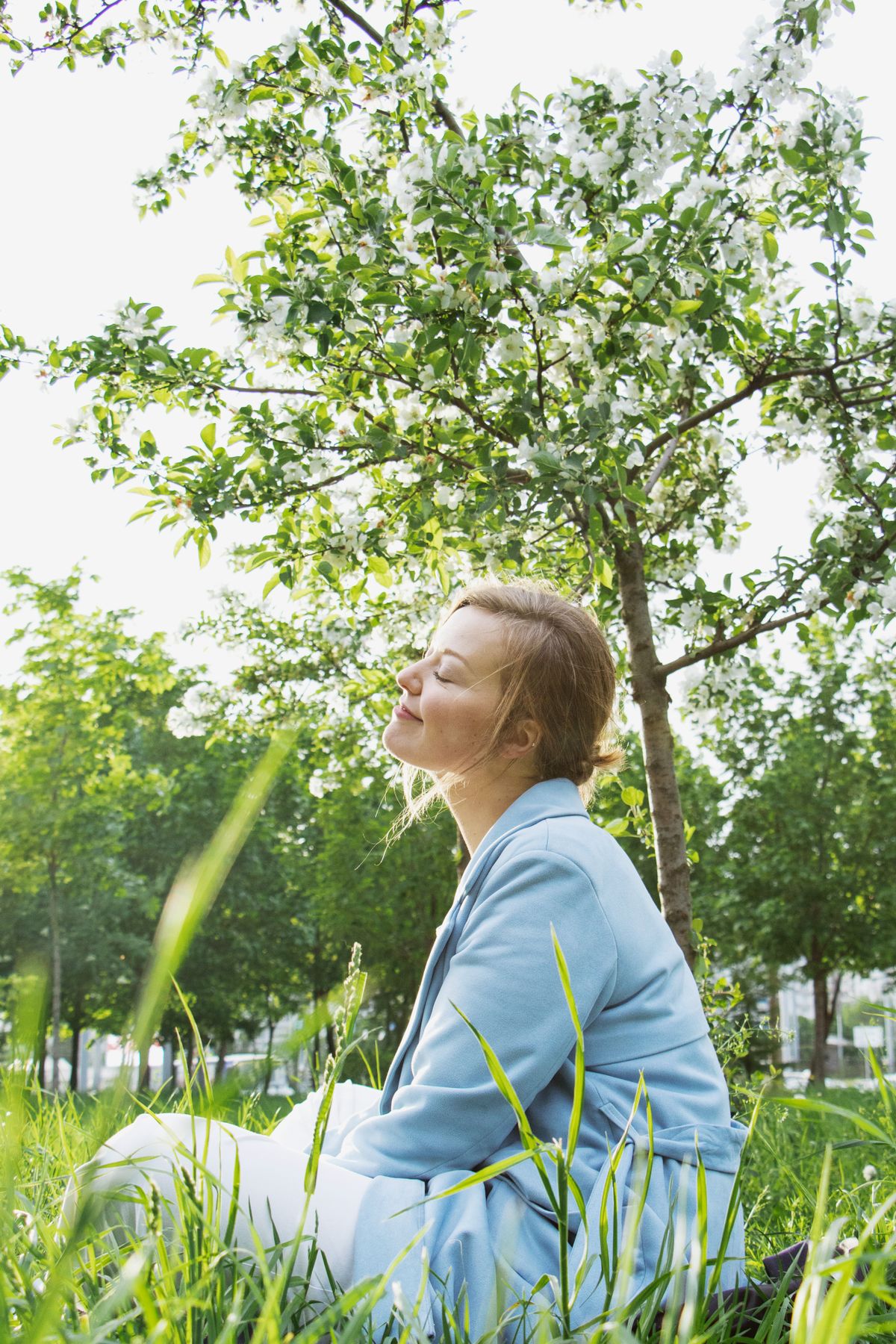
This is precisely where exercise in nature comes in: it demonstrably lowers cortisol, activates the parasympathetic nervous system (the counterpart to the alarm system) and strengthens over time the regulatory connection between the prefrontal cortex and the amygdala.
Movement in nature
Regular outdoor exercise has been proven to help alleviate anxiety symptoms.
Conscious breathing techniques
Slow, conscious breathing activates the parasympathetic nervous system and has a calming effect on the nervous system.
Sleep hygiene
Sufficient, regular sleep stabilizes the nervous system and emotional balance.
Herbs for support
Valerian, passionflower and lavender are traditionally used for calming purposes.
Social connection
Exchanging information with trusted people has been proven to reduce stress.
Important NOTE
In cases of persistent or severe anxiety, professional therapeutic or medical help should be sought.


