Oats (Avena sativa)
OriginFrom weeds to animal feed
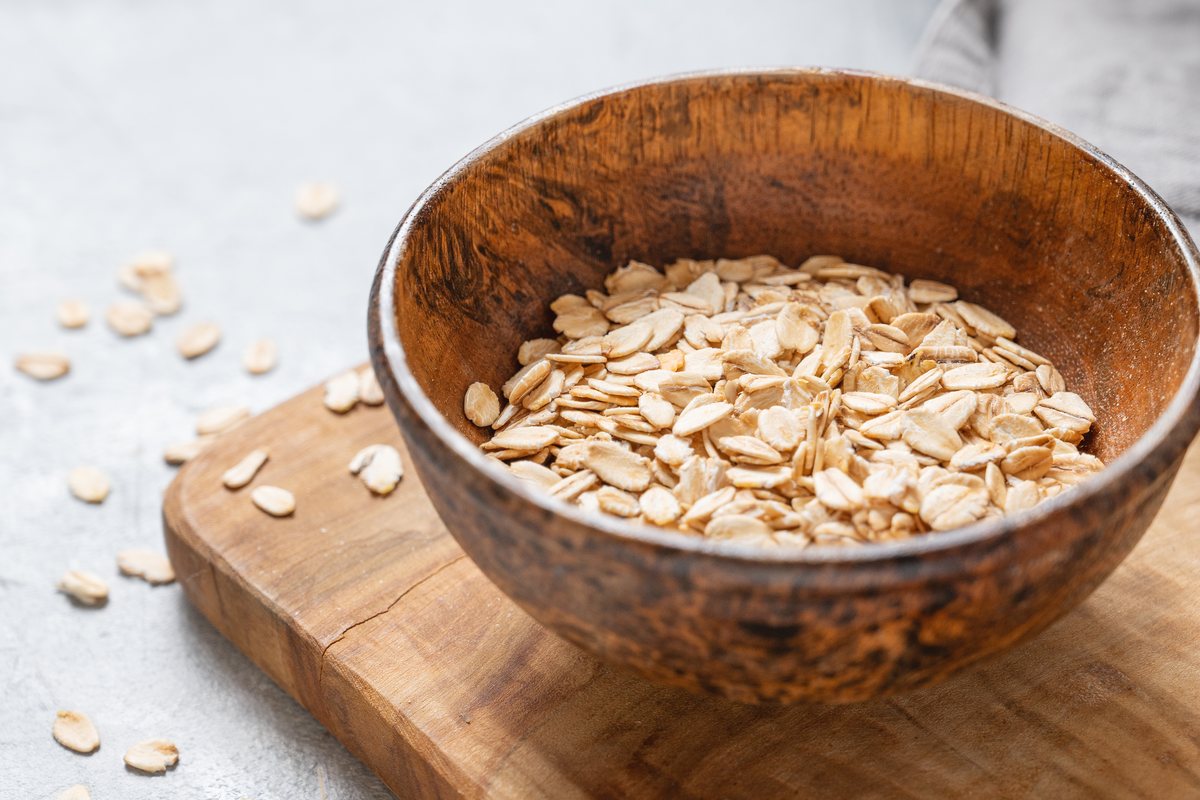
Oats came north as a weed in wheat and barley fields - and prevailed against them in the cool, damp climate.
Wild oats grew in the Near East alongside wheat and barley. As agriculture spread to the cooler, wetter climate of Northern Europe, oats thrived there better than their host plants and became a cultivated crop itself around 3,000 years ago. In Scotland, Ireland, and Scandinavia, porridge was a staple food for centuries.
The English scholar Samuel Johnson quipped that oats were horse feed in England and human food in Scotland – to which a Scotsman is said to have replied that this was why England had such good horses and Scotland such good people. Today, oats are experiencing a comeback in the form of oat milk, overnight oats, and porridge.
To useWhat oats do for you
Oats provide complex carbohydrates, around 13 percent protein, fiber, magnesium, zinc, iron, B vitamins and a particularly high amount of... Beta-glucan - a soluble fiber that forms a viscous gel in the intestine. This gel binds bile acids and slows down sugar absorption.
The effect is well documented: A meta-analysis of 28 controlled studies found that 3 g of oat beta-glucan per day lowers LDL cholesterol by approximately 0.25 mmol/l. The EU has approved the claim that oat beta-glucan lowers cholesterol levels and reduces the post-meal rise in blood sugar. In diabetology, "oat days"—two days consisting almost exclusively of porridge—are used under medical supervision for severe insulin resistance; the idea dates back to the physician Carl von Noorden around 1900.
Externally, oats are a proven skin remedy: Finely ground, colloidal oats are approved in the USA as a skin protectant and relieve itching in dry skin and neurodermatitis; Commission E describes oat straw baths for itchy skin diseases.
IngredientsThat's what's in the oats
Oat flakes contain approximately 60 percent carbohydrates, 13 percent protein, 7 percent fat (more than other grains) and 10 percent fiber, of which about 4 to 5 percent is... Beta-glucan. In addition, it contains magnesium, zinc, iron, manganese, thiamin, biotin and the avenanthramides typical of oats, which are anti-inflammatory polyphenols.
Oats do not contain gluten in the strict sense, but Avenin, Oats are generally well-tolerated by most people with celiac disease. However, commercially available oats are often contaminated with wheat or barley; those with celiac disease should only use certified gluten-free oats and only after consulting a doctor.
Enhanced combinationsWhat makes oats stronger
Oats are the foundation of breakfast - with fruit, nuts and seeds it becomes complete.
The effect requires regularity - a portion of oatmeal or oat bran every day.
Protein and fat further slow down the rise in blood sugar.
Ground flaxseed and walnuts in the porridge.
Soaked overnight - more resistant starch, creamy without cooking.
The classic - sweet without sugar.
Oat flakes bind patties and make soups creamy.
What contradicts itselfIt's best to avoid these combinations.
Only certified gluten-free oats, after consulting a doctor.
Many crunchy mueslis and instant porridges contain plenty of sugar - mix it yourself.
With insulin or tablets, blood sugar can drop significantly - oatmeal days should only be medically supervised.
Dietary fiber can delay absorption - keep your distance.
Gradually increase oat bran intake, drink plenty of fluids.
Soaking and cooking reduce phytic acid and improve the absorption of iron and zinc.
In the kitchenWhere he belongs
- PorridgeWith water or milk, cinnamon, apple, nuts.
- Overnight OatsSoaked overnight in yogurt or milk.
- Bircher muesliWith grated apple and nuts.
- Oat pattiesWith vegetables and herbs.
- Oatmeal soupSavory with vegetables, or as a mucilage for stomach ailments.
- GranolaHome-roasted with a little honey.
- OatcakesWith banana instead of sugar.
- oat breadWith oatmeal and yogurt.
- Oat drinkMix the oat flakes with water and strain.
- oatmealFor sensitive stomachs.
As a home remedyOat bath for itchy skin
Oat bath
- Grind 100g of rolled oats into a fine flour in a mixer (colloidal oats).
- Fill into a cotton bag or a nylon stocking and tie it closed.
- Hang under a running, lukewarm stream of water until the water becomes milky, then place in the tub.
- Bathe for 10 to 15 minutes, then gently pat the skin afterwards, do not rub, and apply cream.
Itching caused by dry skin, eczema, sunburn, chickenpox, and insect bites. The starch and beta-glucans form a protective film on the skin, while the avenanthramides have an anti-inflammatory effect.
Use once or twice daily for acute itching, otherwise several times a week. Use lukewarm water, not hot. Consult a doctor if treating infants, large areas of eczema, or if there are signs of infection.
Ayurveda & TCMWhat the old systems say
Ayurveda
Oats are hardly described in classical Ayurveda. Today they are considered sweet, heavy, nourishing and slightly warming: cooked as porridge, they calm Vata and nourish the tissues; in cases of Kapha excess, they should be eaten with warming spices.
Traditional Chinese Medicine
In Traditional Chinese Medicine (TCM) oats (Yan MaiIt is described as sweet and warm. It is said to strengthen the spleen and stomach, replenish Qi, and alleviate sweating in cases of weakness; green oat straw is used in Western herbal medicine as a nerve tonic.
Warning noticesWhen you should be careful
Please note
- Celiac disease: Only certified gluten-free oats and after consultation.
- Diabetes: Oat days only under medical supervision - risk of hypoglycemia.
- Medications: Dietary fiber delays absorption - keep your distance.
- Flatulence: Gradually increase bran intake, drink plenty of fluids.
- Oat allergy: rare, especially in children with atopic dermatitis.
This page provides information and does not replace medical advice. If symptoms persist, please consult a doctor.
Related to the topicRead on and cook along!
Shop links lead to our product pages; it is indicated there if a partner is involved.
SourcesWhat is this based on?
- Whitehead A et al. Cholesterol-lowering effects of oat β-glucan: a meta-analysis of randomized controlled trials. American Journal of Clinical Nutrition 2014; 100(6): 1413–1421.
- EFSA NDA Panel. Scientific opinion on the substantiation of a health claim related to oat beta glucan and lowering blood cholesterol and reduced risk of (coronary) heart disease. EFSA Journal 2010; 8(12): 1885.
- Lammert A et al. Clinical benefit of a short-term dietary oatmeal intervention in patients with type 2 diabetes and severe insulin resistance: a pilot study. Experimental and Clinical Endocrinology & Diabetes 2008; 116(2): 132–134.
- Commission E: Monograph Avenae stramentum (oat straw), Federal Gazette.
- USDA FoodData Central: Oats.