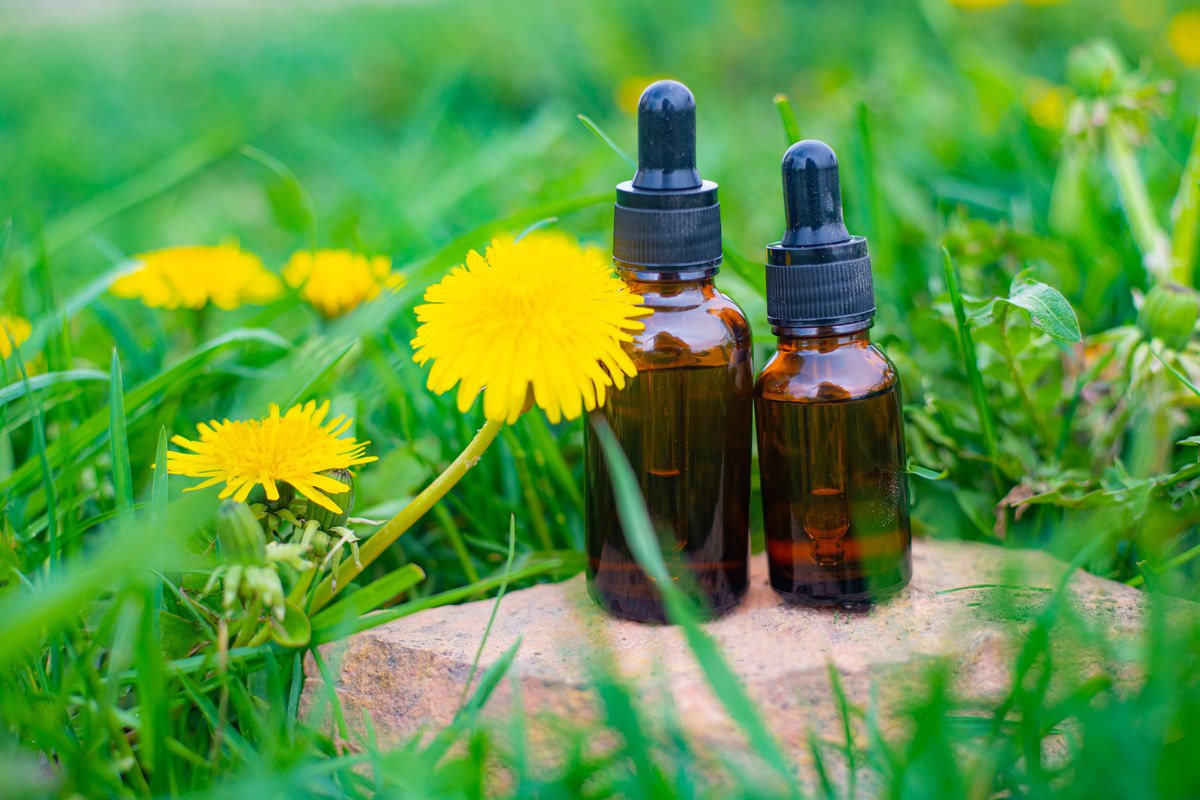
Extract from the root and leaves of the dandelion as a classic organic tincture, 100 ml.
Dandelion tincture (organic)
Available from Kasimir + LieselotteOur own manufacturing facilityPrepared and bottled in Werder an der Havel
Buy directlywith the partner, without detours
Independentno pharmaceutical company
What tradition tells us about the dandelion
Lion's Teeth
Its name comes from the jagged leaves, which resemble dandelions. The French call it dent de lion, while in other regions it is also known as cowslip or dandelion.
Pu Gong Ying
In China, it's called Pu Gong Ying and is traditionally considered bitter, sweet, and cold. Here, children blow its little umbrellas into the wind and make a wish.
The ritual
In spring, the young, bitter leaves are added to salads. Dandelion honey is made from the blossoms, and the roasted root was formerly used as a coffee substitute.
The profile in the Botanical Archive: benefits, ingredients, home remedies, Ayurveda & TCM and all sources.
What folk medicine used dandelion for: in the Botanical Archives →Klassische Tinktur mit Bio-Alkohol aus Wurzel und Blättern des Löwenzahns (Taraxacum officinale), angesetzt in der Manufaktur von Kasimir + Lieselotte in Werder an der Havel. 100 ml in der Braunglasflasche.
At a glance
- Plant: Löwenzahn (Taraxacum officinale), Wurzel und Blätter
- Zutaten: Reinstwasser, Bio-Alkohol (96 % vol), Löwenzahnwurzeln und -blätter*
- Herstellung: 1:3, mehrmonatige Reifezeit mit regelmäßigem Aufschütteln; 35 % vol
- Quality: Bio (DE-ÖKO-070, EU-Landwirtschaft), ohne Füll-, Farb- und Konservierungsstoffe, Manufaktur Werder (Havel)
- Origin: Bio-Anbau, hergestellt in Deutschland
- Füllmenge: 100 ml, Braunglas mit Pipette oder Tropfer
Tradition: Der Löwenzahn ist die Bitterpflanze der europäischen Kräuterkunde, seit Jahrhunderten als Frühjahrskraut, Salat und Wurzelbitter genutzt.
Folk medicine, tradition, research
Wofür der Löwenzahn in der Volksheilkunde seit jeher steht, was in der Wurzel steckt und was die Forschung heute dazu sagt.
What's inside
Bitterstoffe (Taraxacin), Inulin, Kalium und Triterpene, aus Wurzel und Kraut zusammen ausgezogen.
Tinktur, kurz erklärt
Die klassische Tinktur: Bio-Alkohol und Reinstwasser ziehen die Pflanzenstoffe aus und machen den Auszug über Jahre haltbar. Der Ansatz liegt bei einem Teil Pflanze auf drei Teile Auszug, bei Volltinkturen aus frischer Pflanze sogar 1:1. Mindestens drei Monate Reife in der Manufaktur in Werder, von Hand aufgeschüttelt und abgefüllt.
20 Tropfen sind etwa 1 ml. In Wasser verdünnt oder pur, kurz im Mund behalten, am besten vor dem Essen. Wer keinen Alkohol möchte, findet viele Pflanzen bei uns auch als alkoholfreie Glycerin-Tinktur.
So nimmst du sie
3-mal täglich 20 Tropfen, bei Bedarf in Wasser, kurz im Mund behalten, vor den Mahlzeiten.
Good to know
- Löwenzahn ist ein Korbblütler, bei Korbblütler-Allergie vorsichtig sein
- Bei Gallensteinen oder Gallenwegsverschluss vorher ärztlich abklären
- Enthält Alkohol (etwa 35 % vol, 20 Tropfen sind rund 1 ml): nichts für Kinder, Schwangere, Stillende und Menschen, die Alkohol meiden; dafür gibt es die alkoholfreie Variante
- Not for pets: see our pet health section
As always, dietary supplements are a supplement, not a substitute for good food and not a substitute for medical advice. If you are pregnant or breastfeeding, have children, pre-existing medical conditions, or are taking long-term medication, it is advisable to consult your doctor beforehand.
Available from our partner Kasimir + Lieselotte
Klassische Bio-Tinktur (Bio-Alkohol, etwa 35 % vol) aus der Manufaktur von Kasimir + Lieselotte in Werder an der Havel, mindestens drei Monate gereift.
Advertisement: Affiliate link. If you buy through this link, we receive a commission – the price remains the same for you.
Why this partner
Kasimir and Lieselotte from Werder
We only recommend manufacturers and distributors that we have reviewed and that do not belong to any pharmaceutical company.
- Our own manufacturing facilityPrepared and bottled in Werder an der Havel
- organically certifiedInspection body DE-ÖKO-070
- Own Demeter farmin Traversères, southern France
- IndependentFamily business, not a pharmaceutical company
Questions
Frequently Asked Questions
Wo kaufe ich Löwenzahn-Tinktur (Bio)?
Directly from Kasimir + Lieselotte. The button above will take you to the partner's product page; shipping and invoicing will be handled by them. The price remains the same for you.
What were dandelions used for in the past?
We explain this in detail in the Botanical Archive: what folk medicine used dandelion for, what research says about it today, and with all sources. View portrait →
How do you choose your partners?
We check ownership, origin, organic certification, and, where available, laboratory analyses. We do not accept partners belonging to a pharmaceutical company.