
OriginThe sausage makers' herb
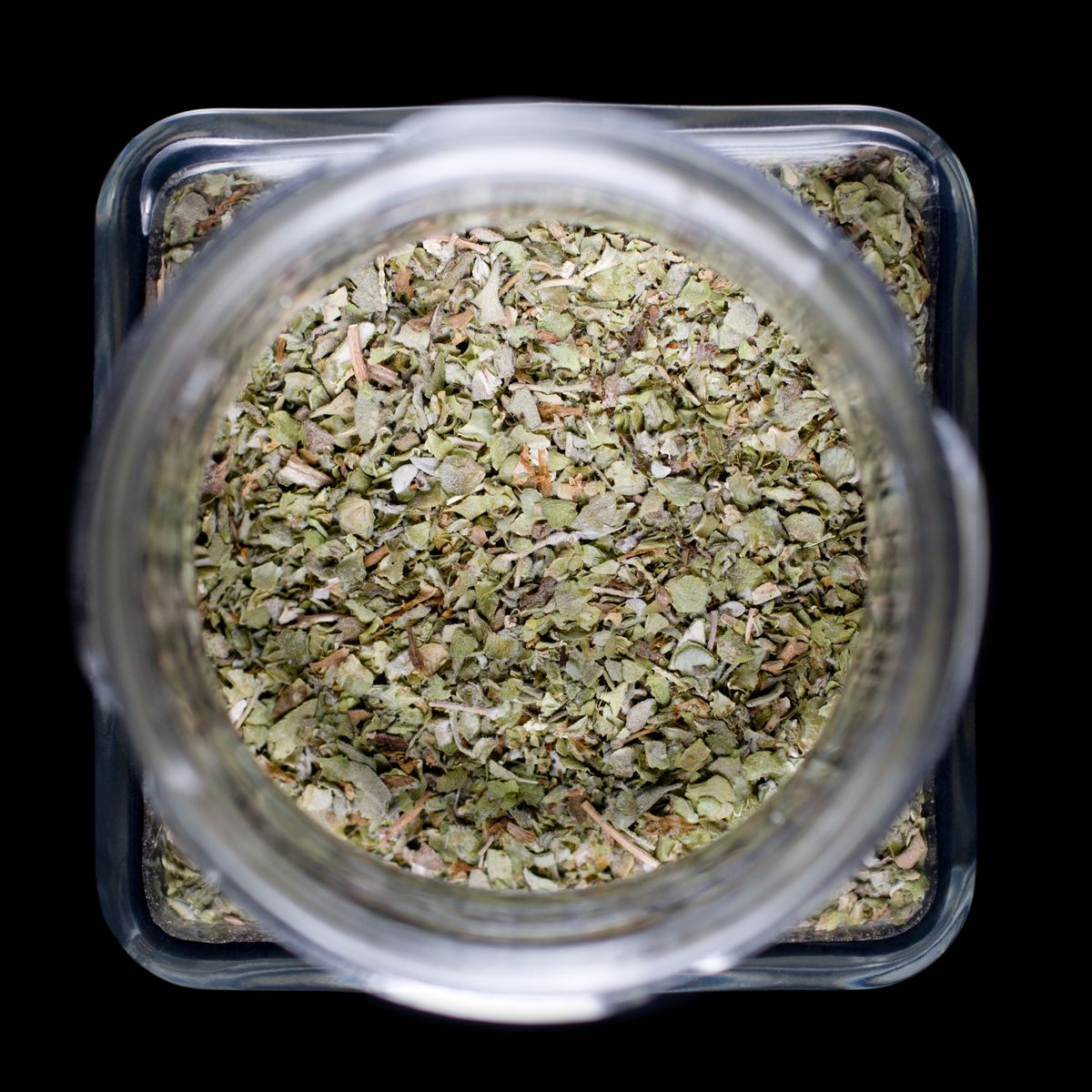
In Germany, marjoram is the herb of choice for sausages - without it, liverwurst doesn't taste like liverwurst, and the Thuringian bratwurst even includes it in its protected recipe.
Marjoram originates from Western Asia and Cyprus and is a subshrub of the warm, dry Mediterranean climate. In Central Europe, it is not winter hardy It is therefore cultivated as an annual – this clearly distinguishes it from its relative oregano, which easily overwinters as a perennial in our climate. Those who have marjoram in a pot must sow it anew each year or overwinter it in a bright, frost-free location.
Botanically, it is a unique style from the same genus as oregano: Origanum majorana next to Origanum vulgare. The two are constantly confused or considered interchangeable, and that's a mistake. Marjoram tastes sweet, soft, floral, with a camphor-like depth; oregano is bitter, peppery, and sharp. In the kitchen, they are as incompatible as cinnamon and cloves.
He owes his German career to sausage. In butcher shops, marjoram is the standard spice for sausage. liverwurst, black pudding and many scalded sausages; the Thuringian Rostbratwurst includes it in its protected geographical indication. In addition, there is its second major domain: Erdapfelgerichte - Erdapfelsuppe, Bratkartoffeln, Erdapfelpuffer. Der Volksname Sausage cabbage That says it all, and in some regions it's also called Roasting herbs or Cheerfulness - However, the latter is also confusingly true for the Dost.
To useWhat marjoram can do for you
Here too, the clear statement first: There is no recognized medicinal use for marjoram herb. Neither the European Medicines Agency nor Commission E maintains a positive monograph. What has been handed down – its digestive, carminative, antispasmodic, calming, and use for colds – is based on experience, not on studies. This is not meant to be a criticism, but it should be stated upfront.
What works in a way that can be understood is the same as with mugwort, only via a different route: Marjoram contains Bitter substances and essential oil, und beides zusammen regt die Verdauung an und wirkt leicht krampflösend im Magen-Darm-Bereich. Deshalb ist er in der deutschen Küche genau dort gelandet, wo es schwer und fett wird - Leberwurst, Erdapfelgerichte, Eintöpfe, Bohnen. Das ist ein guter Grund, ihn großzügig zu verwenden, auch ohne jede Heilwirkung.
One traditional application deserves its own classification because it is still being passed on: the marjoram ointment Marjoram butter was once used to treat a blocked nose in infants. It was traditionally rubbed under the nose. This is now discouraged – not because of the marjoram itself, but because essential oils are generally problematic in the facial area of infants. What actually helps with a blocked baby nose is saline solution in the form of drops or a spray, sufficient fluid intake, and humid air.
What remains is its culinary value, and that is considerable. Marjoram is one of the few herbs that dried are better than fresh Like oregano, marjoram releases its bound aromatic compounds during drying. This makes it a reliable storage spice, and explains why almost every German spice rack contains a jar of marjoram, even in the homes of people who otherwise never cook with herbs.
IngredientsThat's what's in the weed
The essential oil makes up one to three percent. Unlike oregano, carvacrol and thymol are not the dominant compounds here, but rather... cis-sabine carbohydrate and Terpinen-4-ol And that explains the completely different taste: soft, sweet, and floral instead of sharp and peppery. Terpinen-4-ol is also known as the main component of tea tree oil, which explains the slightly medicinal undertone of marjoram.
Join in tannins (up to eight percent), Rosmarinic acid and other phenolic acids, flavonoids, and bitter substances. The bitter substances are responsible for the digestive effect, while the rosmarinic acid accounts for a significant portion of the antioxidant value – marjoram, like oregano, is among the most antioxidant-rich culinary herbs.
Why he dried, more intense Dried marjoram shares the same characteristic as oregano: some of its aromatic compounds are bound as odorless glycosides and are released enzymatically during drying. For the kitchen, this means that dried marjoram is not a last resort, but the better choice – provided it's not past its prime. After about a year in an open jar, most of the oil will have evaporated; good quality marjoram will have a distinct aroma when rubbed between your fingers.
Enhanced combinationsWhat makes marjoram stronger
A spice for heavy and hearty dishes - and one that can withstand heat.
The classic use - without marjoram, liverwurst doesn't taste like liverwurst.
The second major domain in German cuisine.
Bitter substances and essential oils make heavy stews more digestible.
Rub the dried marjoram between your palms before adding it.
Unlike delicate herbs, it tolerates long cooking times and releases its flavor slowly.
The standard Central European combination for heavy loads.
What contradicts itselfIt's best to avoid these combinations.
Two different types with completely different tastes - they do not replace each other.
Essential oils should not be applied to the face of infants - saline solution is the right answer.
There is no recognized medicinal use.
After about a year, most of the oil is gone - then it no longer smells when rubbed.
It is strong and goes well with hearty dishes, not with delicate fish or vegetables.
Marjoram is not winter hardy - keep it in a pot in a bright, frost-free location or sow new seeds.
To which courtWhere he belongs
- liverwurstThe standard spice - without it, the characteristic flavor is missing.
- ErdapfelsuppeThe German classic, often served with marjoram and lovage.
- Fried potatoesSprinkled over the pan at the end.
- Thuringian bratwurstSpecifically named in the protected formula.
- bean stewWith savory and caraway - for digestibility and taste.
- meatloafIn the meat mixture, together with onion and egg.
- Stuffed gooseBesides mugwort, it is the second traditional stuffing spice.
- Pea soupWith marjoram and thyme - hearty and well-rounded.
- Herb butterDried and stirred into soft butter - unusual, but good.
- Greek cuisineThere he is called matzourana and is added to salads and meat.
As a home remedyThe spice for savory dishes
Marjoram-caraway mixture for heavy dishes
- Mix two parts dried marjoram and one part whole caraway seeds. Briefly crush the caraway seeds in a mortar to release their oil.
- Pour into a small, dark glass jar and store in a dry place; consume within about six months, after which the aroma will noticeably diminish.
- Rub a pinch between your palms before adding – the heat and mechanical friction will release the aromatic substances.
- In Bohnen- und Linseneintöpfe, Erdapfelgerichte, Kohl und fette Bratengerichte geben; bei Schmorgerichten früh, bei Erdapfelpfannen zum Schluss.
Für alles Schwere, Fette und Blähende - Hülsenfrüchte, Kohl, Erdäpfel, fettes Fleisch. Was hier wirkt, ist eine Kombination, die die deutsche Küche über Jahrhunderte gefunden hat: Die Bitterstoffe des Majorans regen Magensaft und Gallenfluss an, das ätherische Öl wirkt leicht krampflösend, und der Kümmel ist bei Blähungen sogar ausdrücklich anerkannt. Das ist keine Heilanwendung, sondern gute Küche - aber sie hat einen nachvollziehbaren Grund.
In the kitchen, use as needed, usually half a teaspoon to one teaspoon per pot. Safe in normal quantities and for all age groups. Not to be used as a nasal ointment for infants Essential oils should not be applied to a baby's face; for a blocked nose, saline drops, plenty of fluids, and humid air are the right solution. If you have a allergy to plants in the mint family (Lamiaceae), test a small amount first.
Ayurveda & TCMWhat the old systems say
Ayurveda
Marjoram is not used in Ayurveda. Based on its properties, it would be classified as pungent, bitter, and slightly warming, but milder than oregano. Kapha and Vata lowering, Pitta In larger quantities, it increases the effects. As a spice for heavy, cold, sluggish digestion, it would be well suited there – a general observation, not a traditional one.
Traditional Chinese Medicine
It is also absent from the Chinese Materia Medica. Based on its characteristics, it would be a pungent, aromatic, warming herb that transforms dampness and warms the digestive system – similar to the aromatic spices used there for bloating caused by dampness and for weak digestion. The true origin of this plant is European and Near Eastern cuisine.
Warning noticesWhen you should be careful
Please note
- No recognized application: There is no positive monograph for marjoram herb - its use is based on tradition.
- Infants: Do not use marjoram ointment or butter on a baby's face - essential oils do not belong there.
- Lamiaceae allergy: Rare, but possible - test carefully if you have a known sensitivity to thyme or oregano.
- Pregnancy: It is unproblematic as a spice; avoid concentrated essential oil and treatments.
- Confusion: Marjoram and oregano are different species with different tastes - they do not replace each other.
- Stock: Stale product no longer smells when rubbed and adds no flavor.
This page provides information and does not replace medical advice. If symptoms persist, please consult a doctor.
Related to the topicRead on and cook along!
Shop links lead to our product pages; it is indicated there if a partner is involved.
SourcesWhat is this based on?
- Blaschek W (ed.): Wichtl - Herbal drugs and phytopharmaceuticals. 6th edition 2016, monograph Majoranae herba - Ingredients and evaluation of traditional use.
- Guidelines for meat and meat products, German Food Code - on the use of marjoram in sausage products.
- Shan B et al. Antioxidant capacity of 26 spice extracts and characterization of their phenolic constituents. Journal of Agricultural and Food Chemistry 2005; 53(20): 7749–7759.
- Federal Institute for Drugs and Medical Devices: Information on the use of essential oils in the facial area of infants and toddlers.
- Regulation (EU) on the protected geographical indication „Thuringian Rostbratwurst“ - mention of marjoram in the specification.


