
Lettuce (Lactuca sativa var. capitata)
OriginFrom lettuce to butterhead
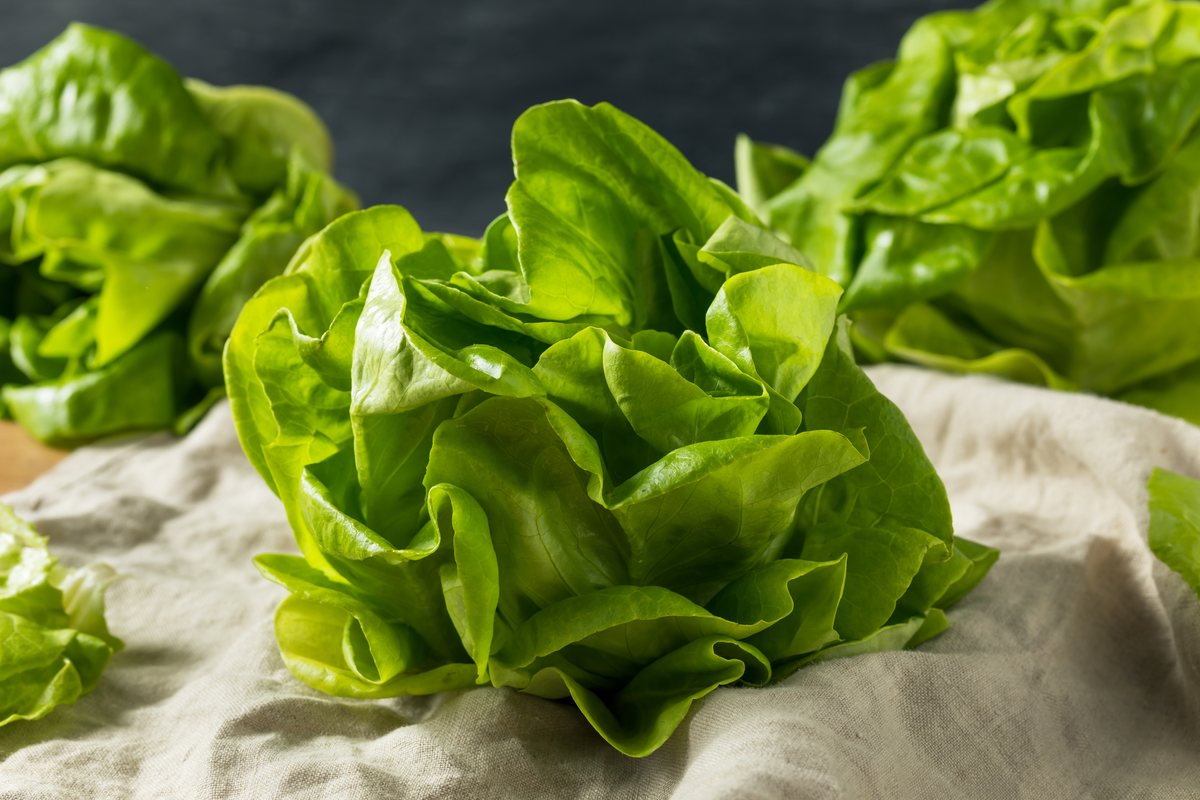
The genus name Lactuca comes from Latin lac, Milk - because of the white sap that comes out of cut stems.
Lettuce is one of the oldest vegetables in existence. Even in ancient Egypt, a tall variety of lettuce was cultivated; it was dedicated to the fertility god Min and can be seen in tomb paintings. The physician Galen is said to have eaten lettuce in the evenings in his old age to help him sleep better. The wild form, the compass lettuce (Lactuca serriolaIt still grows along roadsides today.
The closed, soft heads only emerged through long-term breeding in Europe. They were widespread in German gardens in the 16th century. One distinguishes the soft Butterhead from the crisp iceberg.
To useWhat lettuce does for you
According to the USDA, 100g of lettuce contains only about 13 kcal and is approximately 95% water. Nevertheless, it's packed with nutrients: about 100 µg. Vitamin K - that's already more than the daily requirement -, around 70 µg Folate, just under 2 mg Beta-carotene and about 200 mg of potassium. The green outer leaves are richer than the lighter-colored center.
Like all leafy greens, lettuce contains nitrate with. In the body, this can lead to the formation of nitric oxide, which dilates blood vessels. The BfR emphasizes that the benefits of a high vegetable intake far outweigh the potential risks, but recommends salad from the Greenhouse in winter not to eat constantly and to prefer outdoor produce in summer.
And what about sleep? The bitter milky sap of lettuce contains Lactucin and lactucopicrin. In experiments with mice, these substances had a calming and pain-relieving effect; lettuce extracts also prolonged sleep in these mice. However, lettuce contains only small amounts of these substances, and human studies are lacking. A salad for dinner is light and easy to digest—but it is not a sleep aid.
IngredientsThat's what's in lettuce
Lettuce consists primarily of water, along with some protein, sugar, and fiber (around 1 g per 100 g), vitamins K, A (as beta-carotene), C, and folate, potassium, calcium, and iron, lutein, phenolic acids such as chlorogenic acid, quercetin glycosides, and trace amounts of the bitter substances lactucin and lactucopicrin. Red varieties also contain anthocyanins.
The nitrate content varies greatly: it is highest in low light conditions, i.e. in winter and under glass, and is mainly found in leaf veins and stem.
Enhanced combinationsWhat makes lettuce stronger
Lettuce is a quiet companion. It needs some fat, acidity, and fresh herbs.
Beta-carotene and vitamin K are fat-soluble.
Freshness, and vitamin C helps with iron absorption.
Classic summer dressing.
More vitamins and polyphenols.
Turn a side dish into a meal.
Bite and good fats.
What contradicts itselfIt's best to avoid these combinations.
Choose field-grown produce in summer.
Wash briefly, vitamins remain.
The delicate leaves fall together.
Ethylene causes it to wilt faster.
Wilts in minutes, germs multiply.
It's better to prepare it fresh.
In the kitchenWhere he belongs
- Green saladWith vinegar, oil and chives.
- Cream saladNorth German style with cream and sugar.
- Salad with yogurt dressingWith dill and lemon.
- WrapsLeaves instead of tortilla.
- bread toppingOn cheese or egg bread.
- Lettuce with radishesSpring classics.
- Salad soupFrench with peas.
- Steamed lettuce heartsBriefly tossed in butter.
- Colorful plateMit Paradeiser, Gurke und Ei.
- CitizensCrisp leaves instead of wilted ones.
As a home remedySalad soup for a light evening
Salad soup
- Finely dice 1 shallot and sauté in 1 tablespoon of butter or oil until translucent.
- 1 kleine mehligkochende Erdapfel würfeln, dazugeben und mit 600 ml Gemüsebrühe etwa 12 Minuten weich köcheln.
- Cut the washed leaves of a lettuce into strips, add them to the soup and let it steep for 2 minutes.
- Puree finely, season with salt, pepper, nutmeg and a spoonful of yogurt.
As a light, warm evening meal and to use up salad that is no longer crisp.
One portion in the evening. Eat fresh and store leftovers in the refrigerator for a maximum of one day; do not reheat vegetables containing nitrates multiple times or keep them warm for long periods.
Ayurveda & TCMWhat the old systems say
Ayurveda
In Ayurveda, salad is considered cooling, light and moist with a slightly bitter taste - balancing for Pitta, better with warm dressing and oil for Vata, and in moderation for Kapha.
Traditional Chinese Medicine
In Traditional Chinese Medicine (TCM) nutritional theory, lettuce is considered cooling and bittersweet. It is said to clear heat, promote urination, and calm inner restlessness; if there is coldness in the stomach, it is recommended to steam it.
Warning noticesWhen you should be careful
Please note
- Blood clotting: Those taking coumarin blood thinners such as phenprocoumon (Marcumar) should eat vitamin K-rich leafy vegetables regularly and in consistent amounts, instead of fluctuating the amount significantly.
- Nitrate: Infants and toddlers do not need nitrate-rich winter lettuce. The stem, leaf ribs, and outer leaves contain the most nitrate.
- Germs: Always wash thoroughly with drinking water. Pregnant women and people with weakened immune systems should prepare salad fresh themselves instead of buying it pre-packaged.
- Wild lettuce: Poison lettuce and compass lettuce are not salad plants - their milky sap can cause nausea and dizziness in larger quantities.
- Allergy: Rare; cross-reactions with other Asteraceae and mugwort pollen are possible.
This page provides information and does not replace medical advice. If symptoms persist, please consult a doctor.
Related to the topicRead on and cook along!
Shop links lead to our product pages; it is indicated there if a partner is involved.
SourcesWhat is this based on?
- USDA FoodData Central: Lettuce, butterhead (includes boston and bibb types), raw.
- Kim MJ, Moon Y, Tou JC, Mou B, Waterland NL. Nutritional value, bioactive compounds and health benefits of lettuce (Lactuca sativa L.). Journal of Food Composition and Analysis 2016; 49:19–34.
- Federal Institute for Risk Assessment (BfR): Nitrate in rocket, spinach and lettuce. Statement No. 032/2009 of 6 February 2009.
- Commission Regulation (EU) 2023/915 on maximum levels of certain contaminants in foodstuffs (nitrate in fresh lettuce and iceberg lettuce).
- Wesołowska A et al. Analgesic and sedative activities of lactucin and some lactucin-like guaianolides in mice. Journal of Ethnopharmacology 2006; 107(2): 254–258.
- Kim HD, Hong KB, Noh DO, Suh HJ. Sleep-inducing effect of lettuce (Lactuca sativa) varieties on pentobarbital-induced sleep. Food Science and Biotechnology 2017; 26(3): 807–814.


