
OriginThe weed that divides the world
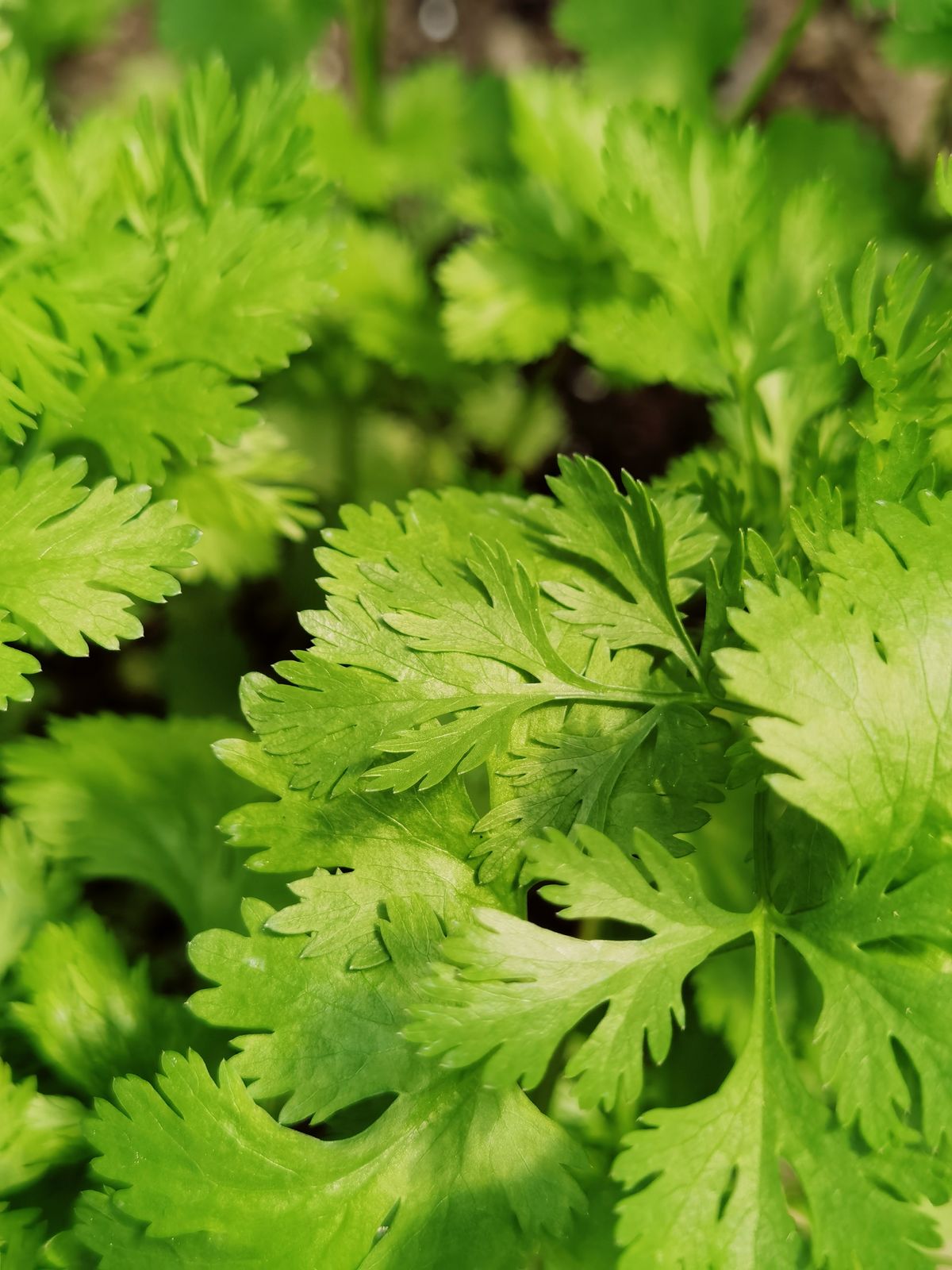
For some, coriander tastes like lemon and summer, for others like soap - and science says: both are right, it's due to a gene.
Coriander originates from the eastern Mediterranean and Western Asia and is one of the oldest spices known to humankind: seeds have been found in Egyptian tombs and in the Nahal Hemar cave in Israel, dating back 8,000 years. The Romans took it to their provinces, the Arabs to India, and the Spanish to Mexico. Today, it is so deeply rooted in Indian, Thai, Mexican, and Arabic cuisine that its origins have been forgotten.
What's special about it: The plant provides three different spices. The fresh greens (cilantro) with their bright, citrusy scent; the round fruits ("coriander seeds") with their warm, sweet orange aroma; and the root, which is ground into curry paste in Thailand. Whether someone loves the greens or finds them soapy depends on an olfactory receptor gene – in about one in ten people in Europe, it's set that way.
To useWhat coriander does for you
Coriander is a A digestive spice on two levels. The fruits contain an essential oil with linalool, which relieves bloating, relaxes cramps, and stimulates appetite – the European Medicines Agency recognizes coriander fruits for mild digestive problems. In herbal cuisine, it is considered a milder alternative to caraway and cumin, suitable for sensitive stomachs.
The fresh green leaves provide vitamin K, beta-carotene, and vitamin C—and a reputation as a "detoxifier" based on animal studies on heavy metal elimination. This hasn't been proven in humans; we mention it because it's widely reported, and we emphasize: this is a suggestion, not proof. What is proven, however, is that coriander oil is effective against bacteria and fungi, including some that cause problems in food.
To be honest, coriander is primarily an herb that makes fat and spiciness more palatable: tacos, curry, pho – wherever things get spicy and fatty, coriander is often found alongside them. This isn't by chance, but by experience.
IngredientsThis is what's in the leaf and fruit
The fruits contain essential oil Linalool as its main ingredient (floral, calming – the same as in lavender), along with geranyl acetate, pinene, and camphor. The leaf smells completely different: its Aldehydes (Decanal, Dodecenal) are the citrusy notes - and for carriers of the soap gene, the soapy notes.
Fresh coriander provides a large amount of vitamin K, beta-carotene, vitamin C, folic acid, and potassium. The seeds also contain fatty oil with petroselinic acid, fiber, and calcium. Roasting the seeds transforms their aroma: from green and orangey to nutty and warm.
Enhanced combinationsWhat makes coriander stronger
Greens and seeds are two different spices - with different partners.
Coriander is the main ingredient in garam masala and curry powder: it complements cumin and carries the turmeric. Roast whole seeds, then grind them.
Salsa, guacamole, tacos: coriander, lime and chili are the triangle of Mexican cuisine - fresh, sour, spicy.
The basic paste of Thai cuisine: coriander root, garlic, white pepper ground in a mortar - for marinades and soups.
In pho, ramen and Asian broths: adding coriander at the end makes the soup lighter.
Ayurvedic CCF tea: Coriander, cumin, fennel in equal parts - after meals.
Guacamole, raita, coriander chutney: fat and acid carry the green color, which would otherwise quickly fade.
What contradicts itselfIt's best to avoid these combinations.
Five minutes of heat, and the aroma is gone. Always at the end, raw, and in plenty.
Dried coriander leaves taste like hay. Freeze them (chopped in oil) or buy them fresh.
Parsley goes well with fried potatoes, roasts, and cabbage - coriander seems out of place there.
Raw seeds taste bland and slightly musty. Briefly roast them, and they become nutty.
Coriander oil is highly concentrated and can irritate the liver and skin. Tea, seeds, and leaves are the safer forms.
Cross-reactions with celery, carrot, anise, mugwort are possible - coriander is one of the more common spice allergens.
To which courtWhere he belongs
- GuacamoleAvocado, lime, onion, chili, salt and a handful of coriander greens - with a fork.
- Garam MasalaRoast coriander and cumin seeds, grind with cardamom, cinnamon, clove, and pepper.
- PhoBeef broth, rice noodles, thinly sliced meat - coriander, Thai basil and lime on the plate.
- Coriander chutneyBlend green chili, ginger, lemon and a little yogurt - to make samosas.
- Thai marinadeCoriander root, garlic, white pepper, fish sauce - for grilled chicken.
- SalsaParadeiser, Zwiebel, Jalapeño, Limette, Koriander - roh.
- falafelCoriander seeds and leaves in the chickpea batter - the basic oriental seasoning.
- ginCoriander seeds are, after juniper, the second most important botanical in almost every gin.
- Lentil saladWarm lentils, onion, lemon, lots of coriander - with feta.
- CCF teaAdd ½ tsp each of coriander, cumin and fennel seeds, let steep for 10 minutes.
As a home remedyCoriander seed tea for bloating
CCF tea
- Crush ½ teaspoon each of coriander, cumin and fennel seeds in a mortar.
- Pour 300 ml of boiling water over it, cover, and let it steep for 10 minutes.
- Strain, drink warm - after meals or in sips throughout the day.
- Two to three cups daily, for as long as the symptoms last.
Bloating, fullness, loss of appetite, sluggish digestion. The Ayurvedic classic – mild enough for sensitive stomachs and children.
Up to 3g of coriander seeds per day. The essential oil from the bottle should not be added to the tea.
Ayurveda & TCMWhat the old systems say
Ayurveda
Dhanyaka In Ayurveda, it is the rare spice that pacifies all three doshas: cooling yet promoting Agni (digestive fire) – beneficial for indigestion, bladder problems, and heat. CCF tea, made from coriander, cumin, and fennel, is the most well-known Ayurvedic tea blend.
Traditional Chinese Medicine
Hu Sui (Coriander) warms slightly, moves the Qi and is used for loss of appetite, indigestion and in the initial phase of measles (to "drive out" the rash) - more of a kitchen remedy than a pharmacy remedy.
Warning noticesWhen you should be careful
Please note
- Allergy: Coriander is a known spice allergen - cross-reactions with celery, mugwort, anise, cumin.
- Essential oil: Never diluted internally, externally; can make the skin photosensitive.
- Blood sugar: Coriander slightly lowers it - observe when taking diabetes medication.
- Pregnancy: Greens and seeds in food are harmless; avoid high-dose preparations.
- Hygiene: Fresh coriander leaves are a common carrier of germs from cultivation - wash thoroughly.
- Vitamin K: When taking anticoagulants like Marcumar, eat coriander greens regularly, not suddenly in large quantities.
This page provides information and does not replace medical advice. If symptoms persist, please consult a doctor.
Related to the topicRead on and cook along!
Shop links lead to our product pages; it is indicated there if a partner is involved.
SourcesWhat is this based on?
- European Medicines Agency (EMA), HMPC: Community herbal monograph on Coriandrum sativum L., fructus, 2016 - mild digestive problems, flatulence.
- Commission E: Monograph Coriandri fructus (coriander fruits), Federal Gazette 1990.
- Eriksson N et al. A genetic variant near olfactory receptor genes influences cilantro preference. Flavour 2012; 1: 22.
- Laribi B et al. Coriander (Coriandrum sativum L.) and its bioactive constituents. Fitoterapia 2015; 103:9–26.
- USDA FoodData Central: Coriander (cilantro) leaves, raw and Spices, coriander seed.