
Rice (Oryza sativa)
OriginThe grain from the water
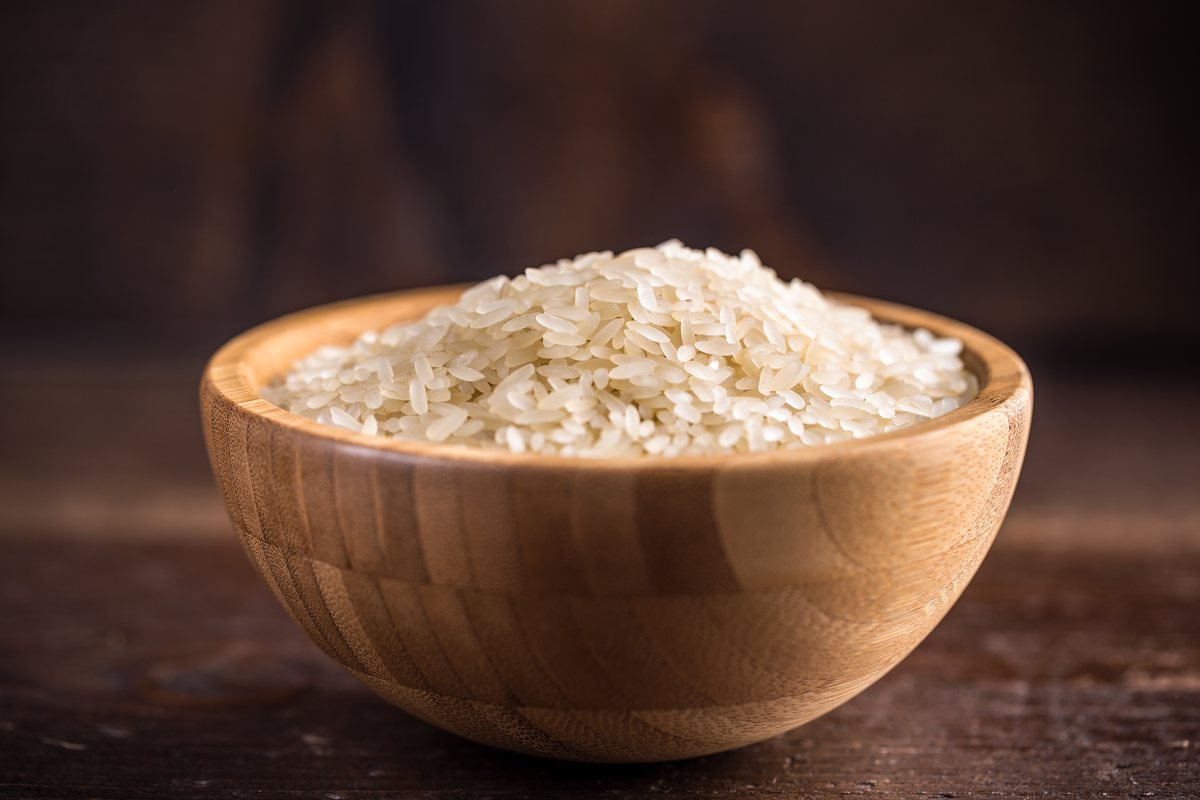
Rice is one of the few grains that can grow in the flooded field - the water keeps weeds away.
Rice cultivation originated around 9,000 years ago on the Yangtze River in China, with a second line of cultivation beginning in India. From there, it spread throughout Asia. The terraced fields of Southeast Asia are among the oldest cultivated landscapes in the world. Via Persia and the Arabs, rice reached Spain and Italy, where it is still cultivated today in the Po Valley and around Valencia.
There are thousands of varieties, broadly divided into long-grain rice like basmati and jasmine, medium-grain rice like risotto and paella rice, and short-grain rice like rice pudding and sushi rice. Whether rice ends up brown or white on the plate isn't determined by the variety, but by the milling process: with white rice, the germ and bran layer are removed – and with them, a large portion of the minerals.
To useWhat rice does for you
100 g uncooked Wholegrain rice provide approximately 3.5 g of dietary fiber, about 140 mg magnesium, It contains vitamins B1, B3, and B6. White rice, in comparison, has only about 1 g of fiber and around 25 mg of magnesium. Both are gluten-free, low in fat, and easily digestible—white rice is often the better choice for those with sensitive stomachs, while brown rice is more nutrient-rich for everyday use.
Large observational studies link high consumption of white rice with a slightly higher risk of type 2 diabetes, while whole grain rice is associated with a lower risk. A trick for blood sugar: Cook it and refrigerate it overnight. cooled rice forms resistant starch, which the small intestine cannot break down. Small studies show that rice treated in this way causes a slightly lower rise in blood sugar – even when reheated.
The downside is inorganic arsenic. Rice absorbs more water from the flooded soil than other grains, especially in the outer layers – therefore, whole grain rice and rice cakes often contain more. The German Federal Institute for Risk Assessment (BfR) does not advise against eating rice, but recommends: washing it thoroughly, cooking it in plenty of water and draining the cooking water, eating a varied diet, and not feeding infants and toddlers rice drinks and large quantities of rice cakes.
IngredientsThis is what's in rice
Rice consists mainly of starch (amylose and amylopectin) and contains about 7 to 8 % protein, little fat, fiber, magnesium, phosphorus, manganese, zinc, iron, vitamins B1, B3, B6 and E, and in whole grain rice gamma-oryzanol, phytic acid and phenolic acids such as ferulic acid.
Sticky rice contains almost exclusively amylopectin and therefore becomes soft and sticky, while basmati rice contains a lot of amylose and remains grainy. Parboiled rice is steamed before milling – this process migrates some of the vitamins and minerals into the grain, making it more nutrient-rich than regular white rice.
Enhanced combinationsWhat makes rice stronger
Rice is a silent companion - it lives off what you put beside it.
They complement each other to form a complete protein source.
Color, aroma, and curcumin.
Lowers the blood sugar load of the meal.
More resistant starch.
Less arsenic, more diversity.
More vitamins in the grain.
What contradicts itselfIt's best to avoid these combinations.
Arsenic remains in the grain - it's better to drain it.
Unsuitable for infants and toddlers.
Often contains a lot of arsenic, hardly filling.
Bacillus cereus can produce toxins.
It's better to alternate grains.
Add whole grains and vegetables.
In the kitchenWhere he belongs
- Vegetable curry with riceWith coconut milk and turmeric.
- RisottoWith mushrooms or asparagus.
- PaellaWith vegetables and saffron.
- Dal with BasmatiLentils and rice - a classic.
- Fried riceMade from leftover rice from the day before.
- Rice saladCooled, with vegetables and herbs.
- Stuffed peppersMit Reis und Paradeiser.
- Rice puddingWith cinnamon and compote.
- SushiWith short grain rice and vegetables.
- CongeeAsian rice porridge for the stomach.
As a home remedyRice porridge for diarrhea
Rice porridge
- Wash 50g of white short-grain or rice pudding thoroughly.
- Bring to a boil with 1 liter of water and a pinch of salt.
- Simmer over low heat for 30 to 40 minutes, until the grains fall apart.
- Pass through a sieve or puree and eat lukewarm in small sips.
As an old home remedy for mild diarrhea and upset stomach: Rice gruel is gentle, provides easily digestible energy and fluids, and binds some water in the intestines. It does not replace an electrolyte solution from the pharmacy in cases of severe fluid loss.
Eat several small portions throughout the day and drink plenty of fluids. Consult a doctor if infants, young children, the elderly, or if fever, blood in the stool, or diarrhea persists for more than two to three days.
Ayurveda & TCMWhat the old systems say
Ayurveda
In Ayurveda, rice, especially aged white Basmati, is considered sweet, cooling, and easily digestible – good for all three doshas, particularly Vata and Pitta. Kitchari, made with rice and mung beans, is a classic example of a bland dish.
Traditional Chinese Medicine
In Traditional Chinese Medicine (TCM), rice (Jing Mi) is sweet and neutral and strengthens the spleen and stomach. Congee, a long-cooked rice porridge, is considered a staple food for convalescents and those with weak digestion.
Warning noticesWhen you should be careful
Please note
- Arsenic: Wash the rice, cook it in plenty of water and drain it; eat a varied diet.
- Toddlers: No rice drinks, rice cakes and rice flakes, only in small quantities and not daily.
- Leftovers: Cool cooked rice quickly and store it in a cool place - otherwise bacterial toxins can form that heating does not destroy.
- Blood sugar: White rice causes blood sugar to rise rapidly; if you have diabetes, choose whole grains, smaller portions and plenty of vegetables.
- Mold: Discard any rice that smells musty or is damp.
This page provides information and does not replace medical advice. If symptoms persist, please consult a doctor.
Related to the topicRead on and cook along!
Shop links lead to our product pages; it is indicated there if a partner is involved.
SourcesWhat is this based on?
- Federal Institute for Risk Assessment (BfR): Questions and answers about arsenic levels in rice and rice products.
- Sun Q et al. White rice, brown rice, and risk of type 2 diabetes in US men and women. Archives of Internal Medicine 2010; 170(11): 961–969.
- Sonia S, Vityaksono F, Ridwan R. Effect of cooling of cooked white rice on resistant starch content and glycemic response. Asia Pacific Journal of Clinical Nutrition 2015; 24(4): 620–625.
- Gore SM, Fontaine O, Pierce NF. Impact of rice based oral rehydration solution on stool output and duration of diarrhea: meta-analysis of 13 clinical trials. BMJ 1992; 304: 287–291.
- Commission Regulation (EU) 2023/915 on maximum levels of certain contaminants in foodstuffs (inorganic arsenic in rice and rice products).
- USDA FoodData Central: Brown, long-grain, raw rice and Rice, white, long-grain, regular, raw.


