OriginThe sweet grain from the East
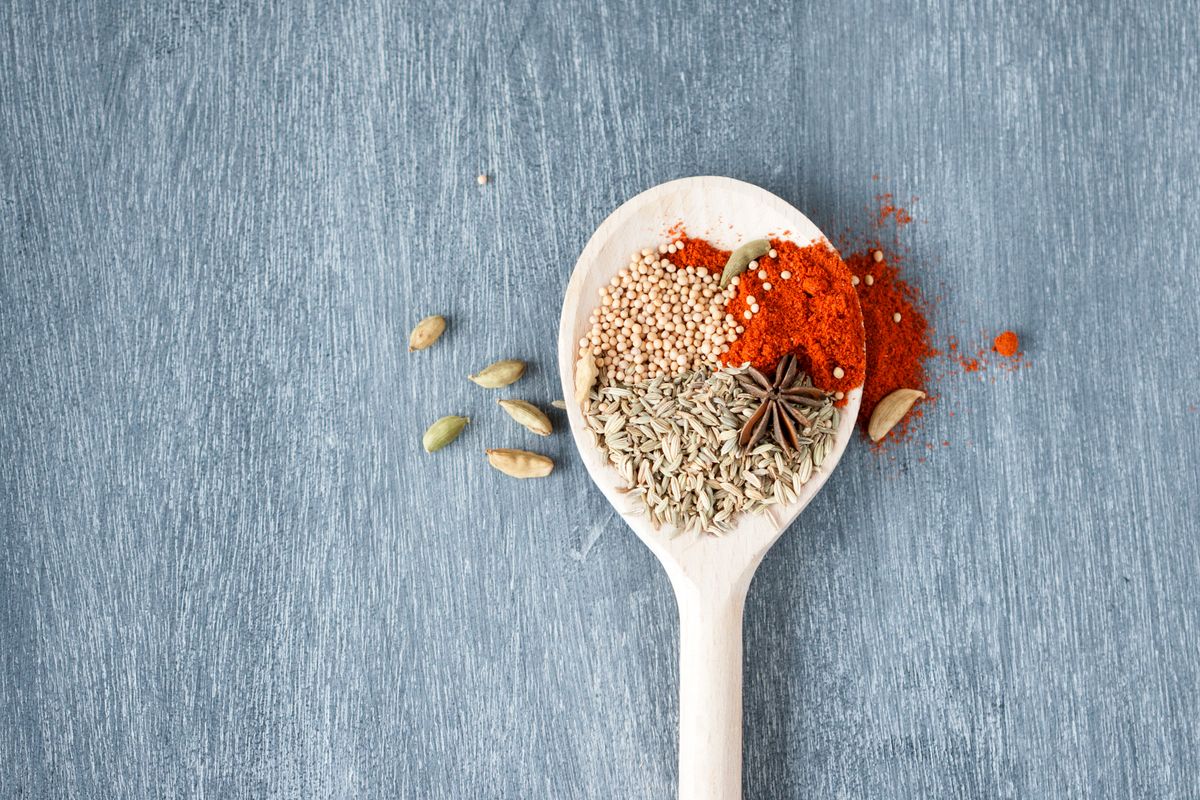
Anise tastes like fennel, star anise and licorice - not because it is related, but because four plants independently invented the same fragrance.
Anise originates from the eastern Mediterranean and Western Asia and is one of the oldest spices in the world: The Egyptians knew it, the Romans baked anise cakes after feasts to combat indigestion – the precursor to our wedding cake. Charlemagne had it cultivated on every imperial estate, monasteries made cough syrups from it, and in the Mediterranean region it became the spirit of national drinks: Ouzo, Raki, Pastis, Sambuca.
Today, anise comes primarily from Turkey, Spain, Egypt, and Syria. The delicate, knee-high plant needs warm summers and produces small, grayish-green schizocarps covered in fine hairs. What is sold as "anise seeds" is botanically the fruit – just like cumin and fennel.
To useWhat anise does for you
Anise is the sweet cough spice. Its essential oil, with the main ingredient anethole, loosens mucus in the bronchi, relaxes the airways and has a mild antimicrobial effect - that's why anise has been in cough teas, candies and syrups for centuries, and that's why many cough syrups smell like licorice.
The second strength lies in its benefits for the abdomen: Anethole relaxes the intestinal muscles and stimulates digestive juices. For bloating, cramps, and a feeling of fullness, anise is the gentler counterpart to fennel and caraway – the "belly tea" for infants and children consists of precisely these three. Both of these uses are officially recognized: The European Medicines Agency lists aniseed as a traditional remedy for minor digestive problems and as an expectorant for coughs.
What anise is not: a hormone. Anethole is structurally similar to estrogen, and folk medicine has derived its role in milk production and "feminine power" from this. Little evidence supports this – it plays no role in the quantities used in cooking and tea.
IngredientsThis is what's in the fruit
trans-anethole It makes up 80 to 90 percent of the essential oil and is responsible for its taste and effects – the same substance that gives fennel, star anise, and licorice their sweet taste. In addition, there are... Estragole (in small quantities), anisaldehyde and terpenes.
The fruit contains two to six percent oil – high for a spice. It also contains around 15 percent fatty oil, protein, flavonoids, and coumarins. Whole fruits retain their oil for years, while ground anise loses it within months.
Enhanced combinationsWhat makes anise stronger
Anise is a sweet spice - it goes well with anything warm, soft or baked, and needs bitterness or acidity as a counterweight.
Three umbellifers, three antispasmodic oils. Crushed in equal parts: the tea for babies, children, and anyone suffering from flatulence.
Thyme loosens and disinfects, marshmallow protects the mucous membrane, anise makes the tea sweet and drinkable - the basis of many cough syrups.
Anise cookies, springerle, gingerbread: anise is the spice of Christmas baking alongside cinnamon and coriander.
Anethole is fat-soluble. Anise releases more of its flavor in dough or oil than in water – therefore, crush the fruits when making tea.
Provençal fish soup thrives on anise: as schnapps in the sauce, as fennel in the pot, as seeds sprinkled on top.
Compote, chutney, pickled figs: anise and sweetness intensify each other - with a splash of lemon to counteract the heaviness.
What contradicts itselfIt's best to avoid these combinations.
Sweet versus earthy and spicy: Anise in a curry or chili acts like candy in a stew.
Die Säure der Paradeiser und die Süße des Anis vertragen sich schlecht - anders als Fenchel, der dort passt.
Anise is strong. Half a teaspoon seasons bread dough - more, and everything tastes like ouzo.
The oil evaporates. Buy whole fruits and crush them in a mortar just before use.
Anise oil is highly concentrated; even a few milliliters can cause nausea and cramps. Tea and spice are fine, but oil should only be used in prepared medications.
Anyone who reacts to celery, fennel, carrot or mugwort may also react to anise - try carefully.
To which courtWhere he belongs
- Anisbrot & Semmeln1 teaspoon of crushed fruit to 500g of flour - the scent of a Swabian bakery.
- Springerle & Anise CookiesThe Christmas pastry that tastes of anise and nothing else - quite deliberately.
- BouillabaisseA shot of pastis and a teaspoon of anise in the fish soup - Provence in a pot.
- Red cabbage & sauerkrautHalf a teaspoon of anise added to caraway: makes the herb milder and sweeter.
- Fig chutneyDried figs, onion, vinegar, anise, cinnamon - go well with cheese and roasts.
- pear compoteCook two aniseeds with a cinnamon stick, remove before serving.
- plum jamAnise alongside cinnamon and clove - a classic from winter cuisine.
- Anise tea1 teaspoon crushed, steep for 10 minutes - for coughs and bloating.
- Ouzo & RakiAnise liqueur served with meze and fish - anise as a national drink from Greece to Turkey.
- Indian MukhwasChewing roasted anise and fennel seeds after meals will give you fresh breath and a lighter stomach.
As a home remedyAnise tea for coughs and flatulence
Anise tea
- Crush 1 teaspoon of aniseed in a mortar - without this, the oil remains in the grain.
- Pour 250 ml of boiling water over it, cover and let it steep for 10 minutes.
- Strain, sweeten with a spoonful of honey if needed for a cough.
- Two to three cups a day, warm. For abdominal tea, use one-third each of anise, fennel, and caraway.
A tickly cough with thick mucus, bloating, a feeling of fullness, and abdominal cramps. The tea is so mild that it can be given to children – but only to infants after consulting a pediatrician.
Two to three cups daily, for a week if you have a cough. Anise oil from a bottle should not be added to the cup – the recommended dose is 3 grams of fruit per day.
Ayurveda & TCMWhat the old systems say
Ayurveda
As Shatapushpa (a name also shared by dill) a warming, sweet spice for Vata imbalances: bloating, cramps, cough. Anise and fennel seeds are chewed after meals to support Agni (digestive fire).
Traditional Chinese Medicine
European anise plays no role in Traditional Chinese Medicine (TCM) - there it takes over. Ba Jiao Hui Xiang, Star anise has the same function: to expel cold from the stomach and kidneys, to move Qi. Same fragrance, different plant, different tradition.
Warning noticesWhen you should be careful
Please note
- Anise oil: Never internally, never undiluted on the skin - only in approved finished products.
- Allergy: Cross-reactions in umbellifer allergy (celery, fennel, mugwort).
- Pregnancy: Tea in kitchen quantities is harmless; high-dose preparations and oil are not - anethole has a weak hormonal effect.
- Children: Tea yes, oil no. Consult your pediatrician if you are an infant.
- Confusion: Star anise (Illicium verum) tastes the same, but is a different plant; Japanese star anise is poisonous - only buy commercially available products.
This page provides information and does not replace medical advice. If symptoms persist, please consult a doctor.
Related to the topicRead on and cook along!
Shop links lead to our product pages; it is indicated there if a partner is involved.
SourcesWhat is this based on?
- European Medicines Agency (EMA), HMPC: Community herbal monograph on Pimpinella anisum L., fructus, 2013 - traditionelle Anwendung bei leichten Verdauungsbeschwerden und als Expektorans bei Verkühlungshusten.
- Commission E: Monograph Anisi fructus (Anise), Federal Gazette 1988.
- Blaschek W (ed.): Wichtl - Herbal drugs and phytopharmaceuticals. 6th edition 2016.
- Shojaii A, Abdollahi Fard M. Review of pharmacological properties and chemical constituents of Pimpinella anisum. ISRN Pharmaceutics 2012; 510795.