
OriginThe clover that isn't one
It is called bogbean because it was used as a cheap substitute for expensive cinchona bark against intermittent fever - it did not help with that, but it did help with sluggish digestion.
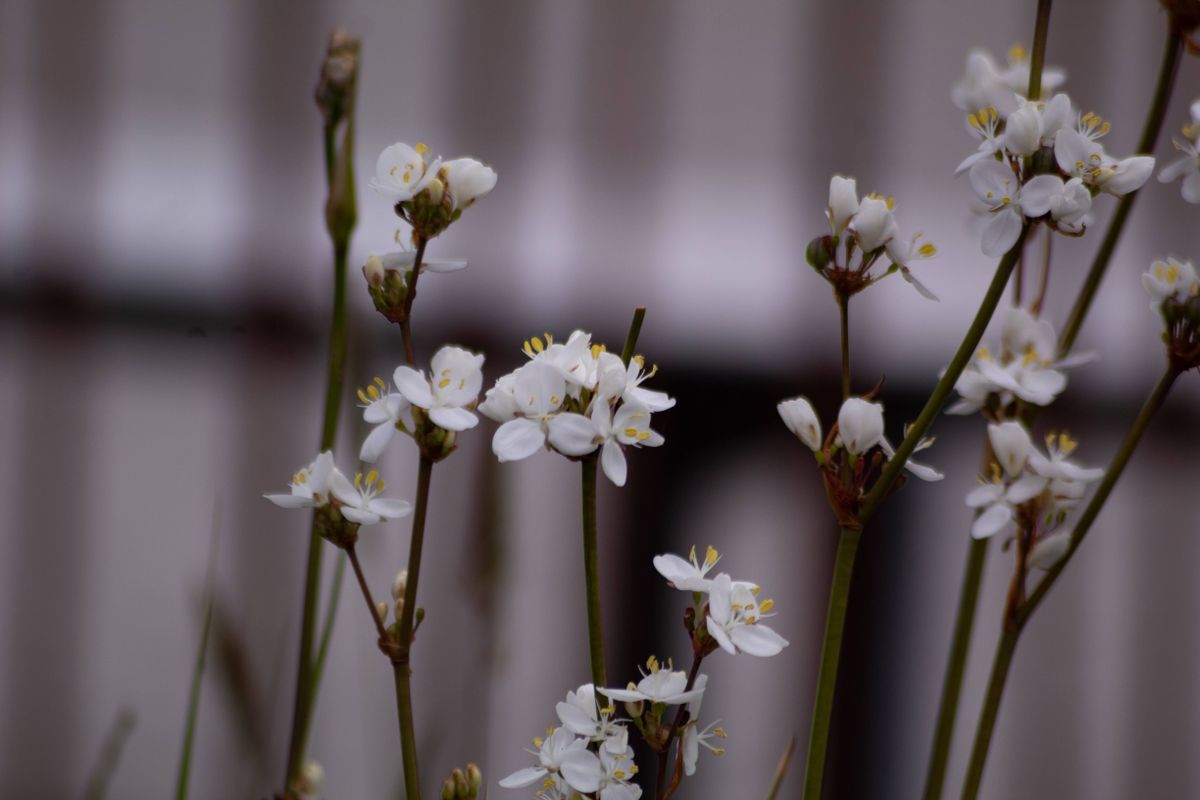
Bogbean grows in bogs, marshes, along the edges of silted-up ponds, and in wet meadows throughout the Northern Hemisphere. It is a marsh plant with a creeping rhizome and trifoliate leaves – hence its name. trifoliata - and exceptionally beautiful white-pink flowers, whose petals are densely covered with white fringes. Botanically, despite its name, it is no clover, but it belongs to its own small family, the bogbean family, which is closely related to the gentian family - and that also explains the bitterness.
The name "bog clover" originates from a specific historical situation. In the 17th and 18th centuries, malaria, a disease that spread as far as northern Germany and the Netherlands, was rampant in Europe. The only effective treatment was cinchona bark, which had to be imported from South America and was therefore quite expensive. Bitter native plants were tried as substitutes, and bog clover was the most prominent of these. While it was ineffective against malaria, it remained in the pharmacopoeia as a bitter tonic and appetite stimulant.
Today it has become rare in Central Europe because its habitats have disappeared: bogs have been drained and wet meadows dried out. In Germany, it is therefore under protection. special protection and must not be taken from nature. Medicinal products come from Eastern Europe and Scandinavia, where it is still more common.
To useWhat bogbean can do for you
The bogbean is a pure bitter drug And this is meant quite literally: it contains virtually no essential oil and therefore no aroma. What remains is bitterness in its purest form, with a bitterness value of approximately 4,000 to 10,000. Commission E and the European Medicines Agency list it as Loss of appetite and dyspeptic complaints - so, a feeling of fullness, pressure in the upper abdomen, the feeling that nothing is progressing.
The principle of action is the same as with wormwood, gentian, and angelica, and it begins on the tongue: Bitter receptors trigger a reflex via the vagus nerve that stimulates saliva, gastric juices, bile, and pancreatic juice—even before food reaches the stomach. The same rule applies: Half a cup twenty to thirty minutes before eating, slowly, unsweetened. Those who indulge in sweets block exactly what it's all about.
Why should you use bogbean instead of wormwood? Two reasons. First, it no thujone It can therefore be used without the time limitation that applies to wormwood. Secondly, it is more neutral in taste: it does not contribute its own aromatic note, which is an advantage in blends. Its disadvantage is availability – it is rarer and more expensive than other bitter herbs. Traditionally, it was also used for rheumatic complaints and for "blood purification"; there is no evidence for this, and we are not stating otherwise here.
IngredientsThat's what's in the leaf
The bitter key substances are Secoiridoid glycosides - above all Dihydrofoliamenthin, Menthiafolin and loganin. It is the same class of substances that also gives gentian its bitterness, reflecting the botanical closeness of the two families. These compounds are water-soluble and readily dissolve in the infusion; they have no inherent odor or aromatic note – pure bitterness.
In addition, the sheet contains Flavonoids Contains substances such as rutin and hyperoside, tannins, coumarins, phenolic acids, and small amounts of alkaloids. Essential oil is present only in trace amounts. Regarding quality: the drug should be green and distinctly bitter; brownish, weak-tasting material has suffered during drying or storage.
Practically important is the Dosage reduced. Half a teaspoon to a teaspoonful per cup is perfectly sufficient. With significantly higher amounts, the effect reverses: instead of stimulating, the bogbean then irritates the stomach lining and can trigger nausea, vomiting, and diarrhea. This is a recurring pattern with bitter herbs – more is not better, but worse.
Enhanced combinationsWhat makes bogbean stronger
As with all bitter herbs, timing, preparation, and a small quantity determine the effect.
The reflex needs time to develop – after eating it comes too late.
The effect begins on the tongue; sugar blocks it.
Because bogbean has no aroma of its own, it mixes well with other bitter herbs.
If the pure bitterness is too harsh, an aromatic partner will provide some rounding.
Less is definitely more here - larger amounts irritate the stomach.
Without thujone, it is more tolerable than wormwood, but it too is not a drink suitable for everyday use.
What contradicts itselfIt's best to avoid these combinations.
Larger quantities irritate the stomach lining and cause nausea, vomiting, and diarrhea.
This species is specially protected in Germany; its removal is prohibited.
Bitter substances increase acid production – unsuitable for ulcers.
In cases of existing diarrhea, the drug exacerbates the problem.
This is the most common mistake and renders the application ineffective.
The historical name is misleading - it is ineffective against fever.
ApplicationHow it is used
- Bubyan teaHalf a teaspoon per 250 ml, let it steep for ten minutes, unsweetened before meals.
- cold extractPrepared overnight in cold water - slightly milder in taste, equally effective.
- Digestive bitters mixtureWith equal parts gentian root and centaury.
- With aroma partnerOne part bogbean, one part peppermint - if the pure bitterness is too harsh.
- Bitter dropsAlcoholic extract, taken drop by drop with a little water before meals.
- component of bittersBogbean is an ingredient in many traditional herbal bitters and liqueurs.
- Appetite stimulantsThe classic application for loss of appetite during convalescence.
- Beer wortHistorically used as a hop substitute and bittering component in beer.
- Do not collect yourselfThis species is protected - use pharmacy-grade products.
- Bog plant in the gardenOnly in specially created bog beds and from horticultural propagation.
As a home remedyBitter tea before the meal
Bogbean as an appetite stimulant
- Put half a level teaspoon of dried bogbean leaves into a cup - deliberately a small amount.
- Pour 250 ml of boiling water over it and let it steep for ten minutes; a lid is not necessary here because there is hardly any essential oil involved.
- Strain and unsweetened Drink half a cup about twenty to thirty minutes before eating, slowly and in small sips.
- Two to three times daily before main meals, for two to three weeks, then take a break.
For loss of appetite, bloating, and a feeling of sluggish digestion—especially during the recovery phase after illness when appetite hasn't yet returned. The bitter reflex via the tongue is well-studied, and its use is recognized by Commission E and the EMA. The advantage over wormwood: no thujone, therefore no strict time limit.
Half a cup two to three times a day for two to three weeks. Do not increase the dose More bitter substances irritate the stomach and cause nausea. Do not use if you have stomach or duodenal ulcers, existing diarrhea, or if you are pregnant or breastfeeding due to a lack of data. Loss of appetite lasting for weeks or unintentional weight loss should be medically evaluated before treatment with bitter substances.
Ayurveda & TCMWhat the old systems say
Ayurveda
Bogbean is not used in Ayurveda – it doesn't grow in India. Based on its properties, it would be classified as purely bitter (Tikta), light, drying and cooling: Pitta and Kapha lowering, Vata In larger quantities, it increases because bitter substances are drying. Deepana, Stimulating the digestive fire, it would fit in well there. A transfer based on principle, not a tradition.
Traditional Chinese Medicine
It is also absent from the Chinese Materia Medica. Based on its nature, it would be a bitter, cooling remedy that clears damp-heat and stimulates the middle – similar to the bitter herbs used for loss of appetite and bloating. However, Chinese medicine uses pure bitter herbs as appetite stimulants far less frequently than European medicine; there, aromatic herbs fulfill this role.
Warning noticesWhen you should be careful
Please note
- Dosage: Larger amounts irritate the stomach lining and cause nausea, vomiting and diarrhea - half a teaspoon is sufficient.
- Stomach ulcers: Bitter substances increase acid production and are unsuitable for ulcers and acute gastritis.
- Diarrhea: Do not use if diarrhea is already present - the drug will worsen it.
- Nature conservation: This species is specially protected in Germany; taking it from the wild is prohibited.
- Pregnancy and breastfeeding: Do not apply due to insufficient data.
- Not a fever reducer: The historical name "fever clover" is misleading - it does not work against fever.
This page provides information and does not replace medical advice. If symptoms persist, please consult a doctor.
Related to the topicRead on and cook along!
Shop links lead to our product pages; it is indicated there if a partner is involved.
SourcesWhat is this based on?
- Commission E: Monograph Menyanthidis folium (fever trefoils), Federal Gazette 1985 - Loss of appetite and dyspeptic complaints.
- EMA/HMPC: European Union herbal monograph on Menyanthes trifoliata L., folium.
- Blaschek W (ed.): Wichtl - Herbal drugs and phytopharmaceuticals. 6th edition 2016, monograph Menyanthidis trifoliatae folium.
- European Pharmacopoeia (Ph. Eur.): Monograph Menyanthidis trifoliatae folium - Determination of bitterness value.
- Federal Species Protection Ordinance (BArtSchV) - Menyanthes trifoliata as a specially protected species.


