
OriginThe Little Dragon from the Steppe
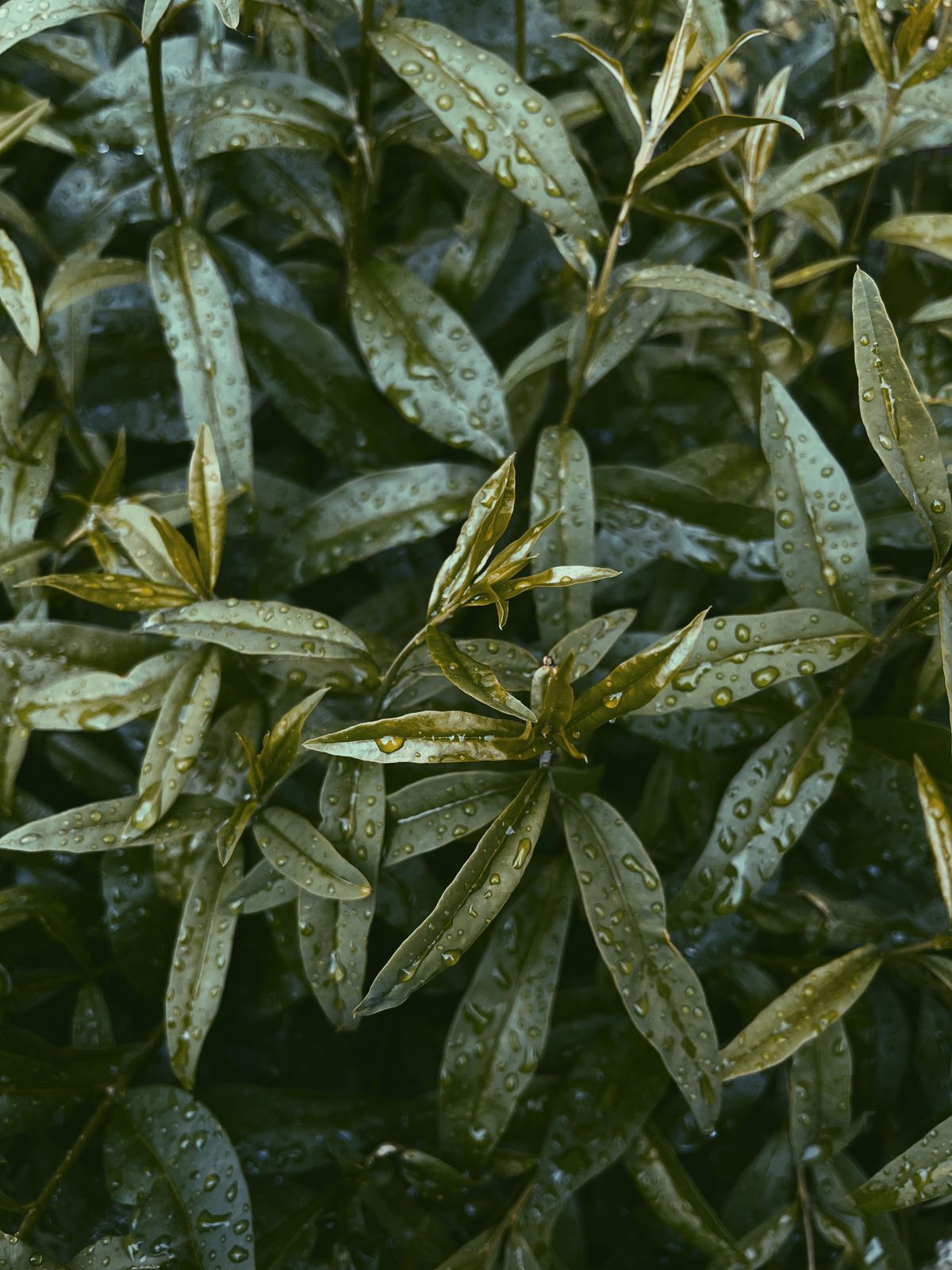
The Latin name dracunculus It is called "little dragon" - some say because of its coiled roots, others because of its old use against snakebites.
Tarragon originates from the steppes of southern Russia, Mongolia and Central Asia, making it a close relative of mugwort and wormwood - the same genus. Artemisia, Named after Artemis, the Greek goddess of the hunt, it arrived in Europe relatively late: via Arabic medicine, through Spain and Italy, and only in the 16th century is it reliably documented in Central European herbals. Arab physicians valued it as a digestive aid and for toothaches – anyone who chews a fresh leaf quickly understands why: the tongue becomes slightly numb.
The variety is crucial for cooking, and this is where most tarragon disappointments lie. French tarragon (also called German tarragon) does not produce viable seeds and can only be propagated via cuttings or root division. It is the one with the delicate, sweet anise aroma – and the one you only ever find as a potted plant in garden centers, never as seeds. Russian tarragon In contrast, the Russian variety is open-pollinated, grows faster, gets taller, tolerates frost better, and tastes significantly milder, more bitter, almost grassy. Anyone who buys a packet of "tarragon seeds" always gets the Russian variety. That's the whole trick.
In France, tarragon is one of the four Fine herbs - along with parsley, chives, and chervil - and the herb without which a béarnaise sauce isn't béarnaise. In Georgia and the Caucasus, they take a different approach: there, tarragon is used to make lemonade, the bright green one. Tarchun, It is used in herb sauces for meat. In Scandinavia and Russia, it is used in vinegar and pickling cucumbers. Dried, it is almost always a disappointment: the essential oils are volatile, and after a few months in a jar, mostly hay remains.
To useWhat tarragon does for you
Tarragon is primarily a Culinary herb with a long tradition of digestive benefits, Tarragon is not a medicinal plant with a proven track record of scientific studies. In folk medicine, it was considered an appetite stimulant, digestive aid, carminative, and diuretic – the classic profile of a bitter and aromatic herb. Arabic and later European medicine used it for toothaches and mouth ailments because the fresh leaves have a mild numbing effect on the mucous membranes. Today, there is no recognized medicinal use; neither Commission E nor the European Medicines Agency lists tarragon as a medicinal drug.
What we have are laboratory findings – and these must be interpreted for what they are. In test tubes, tarragon extracts show antioxidant and antibacterial effects; animal studies have described blood sugar-lowering effects of a special preparation of Russian tarragon, which has been marketed as a dietary supplement for years. So far, nothing conclusive has emerged for humans. This is a laboratory value, not a promise of healing – and with an herb of which you simply chop and sprinkle a tablespoon over your plate, even a real effect would hardly be significant.
There is even a reason to consciously treat tarragon as a spice and not as a cure: its main aromatic compound Estragole In animal studies with high, prolonged doses, estragole has been shown to be liver-damaging and mutagenic. The European Medicines Agency has therefore issued a public statement limiting the permissible amounts of estragole in herbal medicines. In practical terms, this means that a few leaves in a sauce are fine, but drinking tarragon tea daily for months would be problematic. During pregnancy, breastfeeding, and with young children, one should strictly adhere to the amount used in cooking.
IngredientsThis is what's in tarragon
The essential oil of French tarragon consists largely of Estragole (Methyl chavicol) – the same substance that gives basil and anise basil their sweet note. In addition, it contains ocimene, limonene, phellandrene, and small amounts of anethole; together they create this peculiar blend of anise, fennel, and fresh hay. Russian tarragon contains significantly less of these oils and more bitter substances and tannins – hence its flatter, more astringent flavor.
In addition, you will find Coumarins (they explain the hay-like undertone and the slight anticoagulant effect), flavonoids such as quercetin and rutin, tannins, bitter substances and, for a green leaf, considerable amounts of potassium, magnesium, iron and manganese - however, in amounts that play no nutritional role in a tablespoon of the herb.
The essential oils are located in tiny glands on the leaf surface and are highly volatile. This is why tarragon doesn't work well when dried but so well preserved in fat and vinegar: the oil and acid bind the aromatic compounds, while air and heat carry them away. To preserve it, chop it and freeze it in oil in ice cube trays – this works better than any drying method.
Enhanced combinationsWhat makes tarragon stronger
Tarragon is a finishing herb. Almost everything that helps it is: add it late, use fat or acid, don't cook it.
The basis of Béarnaise sauce: simmer vinegar, shallot and tarragon stems, strain, then add butter and egg yolks - and finally the fresh leaves.
Tarragon butter with steak, tarragon cream with chicken: The fat absorbs the volatile oils and holds onto them.
Scrambled eggs, egg salad, remoulade, sauce gribiche - tarragon is the herb that lightens egg dishes.
Poulet à l'estragon is a classic because the anise aroma perfectly fills the gap left by mild meat.
Equal parts, all fresh and finely chopped: the basic French mix for omelette, fish and salad.
Steep the twigs in white wine vinegar or freeze them chopped in oil - this way the aroma will last for a year instead of three days.
What contradicts itselfIt's best to avoid these combinations.
The essential oils evaporate after a few minutes of heat, leaving behind a bitter taste. Tarragon is added in the last two minutes – or even later.
Anyone buying tarragon seeds will inevitably receive the less aromatic Russian variety. The good herb is only available as a potted plant or cutting.
Dried tarragon loses virtually all its aroma within a few months and afterwards tastes only like hay.
The resinous, bitter Mediterranean herbs and the sweet anise aroma work against each other - in the end you don't taste either.
Because of the estragole it contains, tarragon belongs in the kitchen and not in the teapot - certainly not as a course of treatment over weeks.
During pregnancy and breastfeeding, stick to the recommended amount of coumarins; they can slightly affect coagulation.
To which courtWhere he belongs
- Béarnaise sauceTarragon vinegar reduction with shallot, whisked with egg yolk and butter, finished with fresh leaves - served with steak.
- Poulet à l'estragonChicken braised in white wine, finished with cream and a bunch of tarragon.
- Fine herbsTarragon, parsley, chervil, chives in equal parts - in omelette, on goat cheese, over spring vegetables.
- Tarragon vinegarA few sprigs in good white wine vinegar, left to infuse for three weeks - the basis for vinaigrette and Béarnaise.
- Tarragon mustardDijon mustard mixed with finely chopped tarragon - perfect with bratwurst, ham and cold roast meat.
- Pickled cucumbersIn Eastern Europe, tarragon is a common ingredient in pickling jars, along with dill and garlic.
- TarchunGeorgian tarragon lemonade: herbal extract, sugar, lemon, sparkling water - bright green.
- Herb butterSoft butter with tarragon, lemon zest and fleur de sel - perfect for fish, asparagus and baked potatoes.
- Sauce GribicheHard-boiled egg, capers, gherkins, mustard, tarragon - served cold with fish, calf's head and vegetables.
- Asparagus and young peasA few leaves sprinkled over steamed asparagus or in peas with butter - spring in a nutshell.
As a home remedyMake your own tarragon vinegar
Tarragon vinegar
- Wash three to four sturdy sprigs of tarragon and pat them thoroughly dry - every drop of water reduces their shelf life.
- Place the branches in a clean bottle and pour over 500 ml of good white wine vinegar so that everything is covered.
- Seal and leave to infuse for three weeks in a bright but not sunny place, shaking occasionally.
- Strain, pour into a clean bottle, and place a fresh sprig inside as a symbol. Stored in a cool, dark place, the vinegar will keep for about a year.
For vinaigrette, béarnaise, remoulade, and anything that could use a hint of anise—and traditionally as a digestive aid: a teaspoon in a glass of water after a heavy meal. The old name for this was "stomach vinegar," and it remains nothing more than a traditional use. What certainly works here is the flavor; whether the vinegar actually stimulates digestion has never been properly investigated.
Use it as desired in the kitchen. As a digestive aid, take no more than a teaspoon diluted after meals, not several times a day and not on an empty stomach – vinegar can irritate heartburn and sensitive stomachs. Those with reflux or known tooth enamel problems should avoid using it only in vinaigrette.
Ayurveda & TCMWhat the old systems say
Ayurveda
Tarragon is not a classic Ayurvedic plant—it wasn't native to India and doesn't appear in ancient texts. Based on its properties, it would be classified as light, warming, and sweet-spiced: reducing Vata and Kapha, increasing Pitta in larger quantities, thus an herb for sluggish digestion and cold seasons. This is a general interpretation, not a traditional application—we prefer to state it honestly.
Traditional Chinese Medicine
The genus Artemisia Mugwort is prominently featured in Traditional Chinese Medicine (TCM) – as Ai Ye For moxibustion, the annual mugwort is used as Qing Hao —but not tarragon itself. It is not part of the Chinese Materia Medica. Based on its nature, it would be a warm, pungent herb that warms the middle and moves Qi, comparable to other aromatic digestive spices.
Warning noticesWhen you should be careful
Please note
- Estragole: In animal studies with high, long-term doses, it has been shown to damage the liver and alter genetic material - therefore, use kitchen quantities instead of tea or treatments.
- Pregnancy and breastfeeding: Stick to the normal amount of seasoning; completely omit tarragon tea, extracts, and essential oil.
- Toddlers: No tarragon tea and no essential oil - the same applies here as with anise and fennel oil.
- Blood clotting: The coumarins it contains can slightly affect blood clotting; avoid large quantities if you are taking blood thinners.
- Asteraceae allergy: Anyone who reacts to mugwort, chamomile or ragweed may also react to tarragon - test in small amounts first.
- Essential oil: Pure tarragon oil does not belong in the kitchen and should not be applied undiluted to the skin.
This page provides information and does not replace medical advice. If symptoms persist, please consult a doctor.
Related to the topicRead on and cook along!
Shop links lead to our product pages; it is indicated there if a partner is involved.
SourcesWhat is this based on?
- EMA/HMPC: Public statement on the use of herbal medicinal products containing estragole, Revision 1, European Medicines Agency - Limitation of estragole intake from herbal medicinal products.
- Blaschek W (ed.): Wichtl - Herbal drugs and phytopharmaceuticals. 6th edition 2016, monograph Artemisia dracunculus.
- Obolskiy D et al. Artemisia dracunculus L. (tarragon): a critical review of its traditional use, chemical composition, pharmacology, and safety. Journal of Agricultural and Food Chemistry 2011; 59(21): 11367–11384.
- Federal Institute for Risk Assessment: Foods containing estragole and methyleugenol, Statement on the inclusion of aroma-active substances.
- USDA FoodData Central: Tarragon, fresh.


