
OriginThe silverweed of the goose pasture
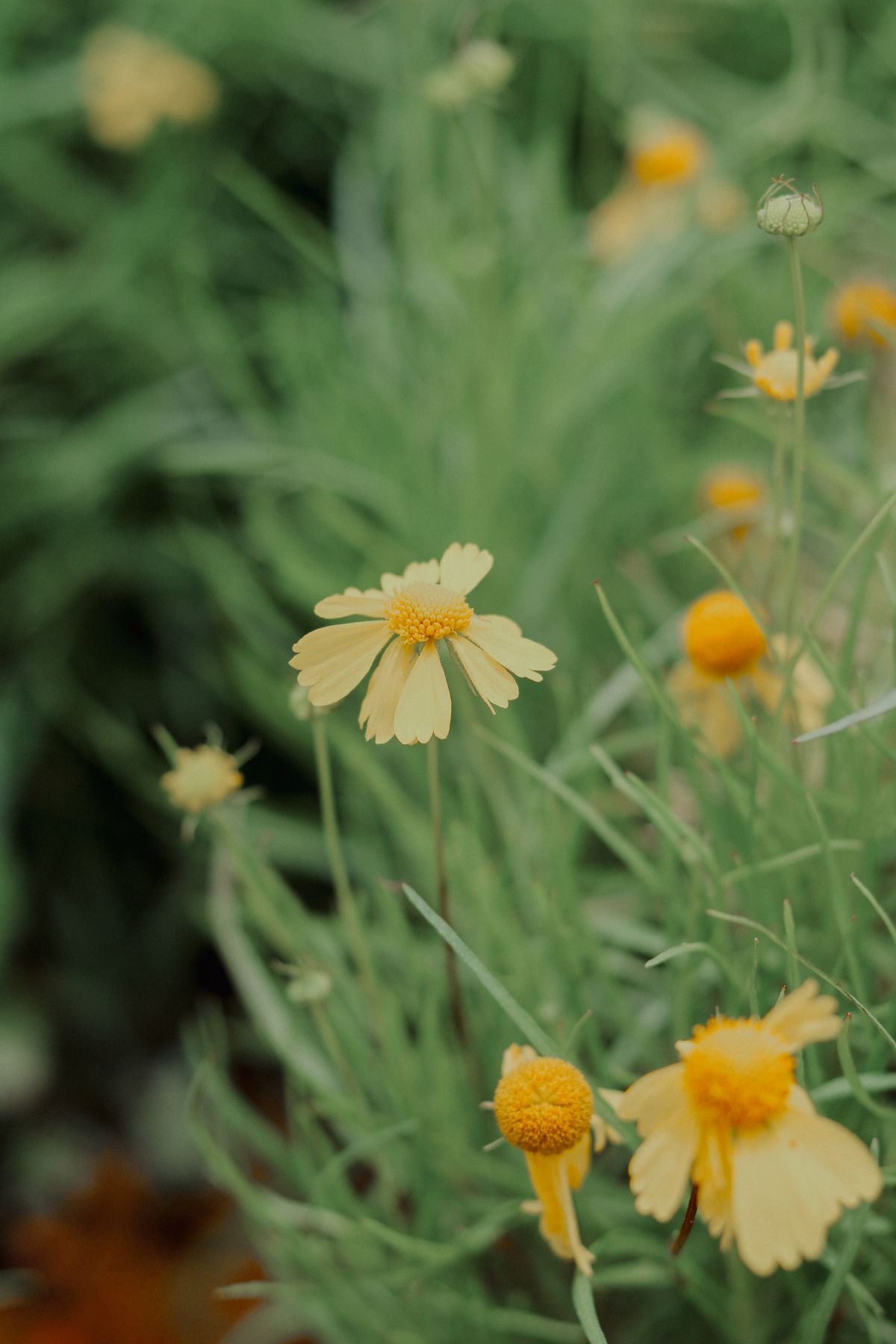
The underside of the leaves is densely covered with silvery hairs - when the wind passes over an area of silverweed, it looks as if it is changing color.
Silverweed grows along roadsides, riverbanks, ditches, in pastures, and damp meadows throughout the Northern Hemisphere. It creeps across the ground with long, strawberry-like runners, forming dense carpets from which individual yellow flowers emerge on short stems. Its most striking feature is its pinnate leaves: green on the upper surface, and yellow on the underside. densely covered with silvery-silky hair - hence the name silver herb.
The species name Anserina comes from anser, The goose: The plant grows particularly well on grazed, fertilized areas where geese have been kept, and it tolerates trampling and browsing well. Other folk names describe its uses: Cramp herb and Cramproot after its traditional use for leg cramps and abdominal discomfort, Bordering as an old name in many regions.
Botanically, it belongs to the genus Cinquefoil and is therefore a close relative of the Bloodroot What is chemically significant is that both are tannin-rich members of the rose family with the same effects, only differing in potency. Tormentil is the powerful remedy for acute diarrhea, while silverweed is the milder option with an additional antispasmodic effect. Incidentally, in times of scarcity, the starchy roots were also eaten; in Scotland and Scandinavia, there were specific names for them.
To useWhat the silverweed does for you
The European Medicines Agency and Commission E list silverweed for three uses: in mild cramping symptoms in the gastrointestinal tract, at mild cramp-like menstrual cramps and at mild diarrhea; Externally, it is also used for mild inflammation of the oral and pharyngeal mucosa. This is an unusual combination, as it unites two principles that are otherwise separate.
The tannin content Six to ten percent of the tannins explain the antidiarrheal and mucosal effects: The tannins bind to the proteins of the outermost mucosal layer, forming a thin, firmer protective film. This soothes the irritated intestinal wall and reduces burning in sore areas of the mouth. It's the same principle as with tormentil, only in a milder dose – which makes silverweed more suitable for sensitive individuals and for longer-term use.
The antispasmodic This component is the more interesting part, and simultaneously the less well understood. Traditionally, the herb is known precisely for this purpose—its folk names "cramp herb" and "cramp root" indicate this—and it has been used for leg cramps, stomach cramps, and menstrual pain. Animal studies show a relaxing effect on smooth muscle; which constituent is responsible for this is not yet fully understood. The flavonoids are the most plausible candidates.
To be honest: This is a traditional use without clinical studies in humans. What speaks in favor of silverweed is the combination of a mild effect, very good tolerability, and two recognized uses in one plant. For severe menstrual cramps, however, the best-documented treatment remains local heat – and for leg cramps, it's worth considering fluids, magnesium, and electrolytes first.
IngredientsThat's what's in the weed
The most numerous group are the tannins Containing six to ten percent tannins, predominantly agrimoniin-type ellagitannins, along with condensed tannins, these are responsible for the astringent effect on the intestinal and oral mucosa. In comparison, the related tormentil contains up to 22 percent tannins, which accounts for the difference between the potent and milder varieties.
The antispasmodic component is primarily achieved by the following: Flavonoids The active ingredients identified as quercetin and kaempferol glycosides, myricetin, as well as choline and organic acids, are responsible. A single active ingredient could not be isolated; as with many mild medicinal plants, the interplay of these compounds seems to be key. In addition, the plant contains phenolic acids, small amounts of bitter substances, and starch in the root.
For preparation: The tannins need heat and time; a ten-minute covered infusion is sufficient. A special feature is the traditional preparation. in milk, This practice, which appears in many old recipes, is based on the idea that the milk protein binds some of the tannins, making the preparation easier on the stomach without impairing its antispasmodic properties. Chemically, this is plausible: tannins bind proteins, which is precisely why black tea tastes less bitter with milk.
Enhanced combinationsWhat makes silverweed stronger
A mild plant that thrives on proper preparation and good partners.
For menstrual cramps and abdominal cramps, local heat is the best-documented treatment.
The old preparation method - the milk protein binds some of the tannins and makes the tea easier on the stomach.
If the milder version isn't enough, then the stronger tannin-containing drugs are the answer.
Three antispasmodic plants that complement each other well.
For sore gums and mouth ulcers - apply more firmly and cooled.
For nighttime cramps, first consider electrolytes.
What contradicts itselfIt's best to avoid these combinations.
Tannins delay absorption – allow one to two hours between doses.
Tannins inhibit the absorption of iron from plant-based foods.
Concentrated tannin solutions can trigger nausea - then the milk preparation.
Diarrhea lasting three days should be investigated.
Traditionally classified as having an effect on the uterus - caution is advised here.
It thrives in fertilized, grazed areas.
ApplicationHow it is used
- Silverweed teaTwo teaspoons per 250 ml, covered for ten minutes.
- Cooked in milkThe traditional preparation is gentler on the stomach, especially for those with sensitive stomachs.
- Women's teaUse yarrow in the days around your period.
- For mild diarrheaA milder alternative to tormentil.
- MouthwashApply more firmly and allow to cool slightly if the gums are sore.
- Belly teaUse chamomile and lemon balm for cramping stomachs.
- Sitz bathTraditionally used for abdominal discomfort, often combined with yarrow.
- Root as emergency foodHistorically: the starchy roots were eaten during times of famine.
- defining characteristicSilvery underside of leaves and creeping runners.
- Ground coverIn the garden, a robust, firm surface suitable for poor soil conditions.
As a home remedyThe tea in milk
Silverweed for abdominal and menstrual cramps
- Add two heaped teaspoons of dried silverweed to a small pot with 250 ml of milk - cow's, oat or almond milk all work.
- Heat slowly, bring to a brief boil, then simmer on the lowest heat for five minutes; covered to prevent evaporation.
- Strain and drink slowly while warm. Drink two cups throughout the day, especially in the days leading up to and during menstruation, or when experiencing abdominal cramps.
- Apply heat to your lower abdomen – a hot water bottle or heat patch. This is the most scientifically proven method for menstrual cramps.
For cramping abdominal pain and menstrual cramps – this is the application for which the EMA and Commission E list the herb. Preparing it in milk is the traditional method: the milk protein binds some of the tannins, making the tea milder and easier on the stomach, while retaining its antispasmodic properties. To be honest, there are no clinical studies on silverweed itself, but there are very good studies on its use as a warm compress.
Two cups daily on the days in question. Leave one to two hours between taking medications And not directly with iron-rich meals – the tannins bind both. Avoid taking large quantities during pregnancy. If diarrhea lasts for more than three days, is accompanied by blood or fever, or if you experience very severe, increasing, or new menstrual pain, consult a doctor or gynecologist – severe menstrual pain could be a sign of endometriosis.
Ayurveda & TCMWhat the old systems say
Ayurveda
Silverweed is not used in Ayurveda. Based on its properties, it would be classified as bitter (Kashaya), cool and drying - Pitta and Kapha lowering, Vata Increasing. For diarrhea, which in Ayurvedic thought is an excess of movement and moisture, this would be the appropriate direction; for spasmodic Vata complaints, however, it would be less appropriate, which is a good example of how European and Ayurvedic logic do not always coincide.
Traditional Chinese Medicine
A related species is listed in the Chinese Materia Medica: Wei Ling Cai, the herb of Potentilla chinensis, It is considered bitter and slightly cold, and is associated with the liver, stomach, and large intestine. It is used to clear heat, to eliminate toxins, and—here it aligns with its European use—for diarrhea and dysentery. Two continents, two cinquefoils, the same tannin logic.
Warning noticesWhen you should be careful
Please note
- Medications: Tannins delay the absorption of other active ingredients - maintain a one to two hour interval.
- Iron: The absorption of plant-based iron is inhibited - do not drink it with iron-rich meals.
- Stomach: Concentrated infusions can cause nausea on an empty stomach - in that case, choose a milk-based preparation.
- Pregnancy: Traditionally classified as having an effect on the uterus - avoid using large quantities of treatment.
- Diarrhea: If symptoms persist for more than three days, or if there is blood in the urine or fever, a medical evaluation is necessary.
- Period pain: Have very severe, increasing, or newly occurring pain checked by a gynecologist.
This page provides information and does not replace medical advice. If symptoms persist, please consult a doctor.
Related to the topicRead on and cook along!
Shop links lead to our product pages; it is indicated there if a partner is involved.
SourcesWhat is this based on?
- EMA/HMPC: European Union herbal monograph on Potentilla anserina L., herba - traditional use for mild cramping and mild diarrhea.
- Commission E: Monograph Anserinae herba (goose cinquefoil), Federal Gazette 1985.
- Blaschek W (ed.): Wichtl - Herbal drugs and phytopharmaceuticals. 6th edition 2016, monograph Anserinae herba.
- Akin MD et al. Continuous low-level topical heat in the treatment of dysmenorrhea. Obstetrics & Gynecology 2001; 97(3): 343–349.
- Tomczyk M, Latté KP. Potentilla - a review of its phytochemical and pharmacological profile. Journal of Ethnopharmacology 2009; 122(2): 184–204.


